Reminiscences. Art and Culture Against Alzheimer's, 2014-2015
Older people, Social
17 October 2014 - 20 April 2015
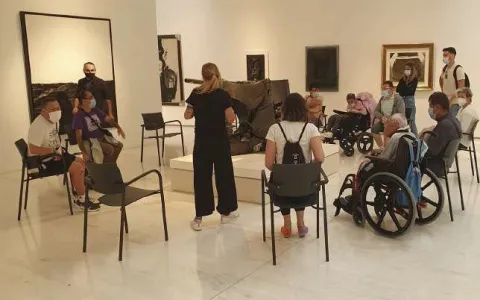
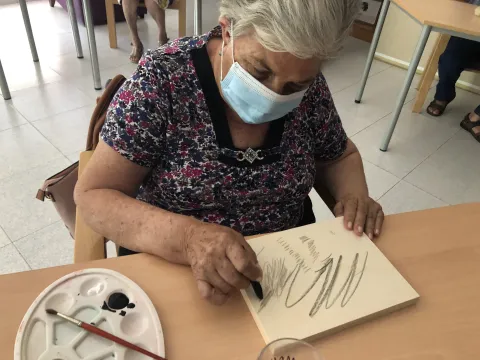
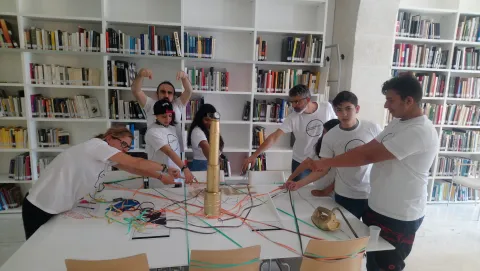
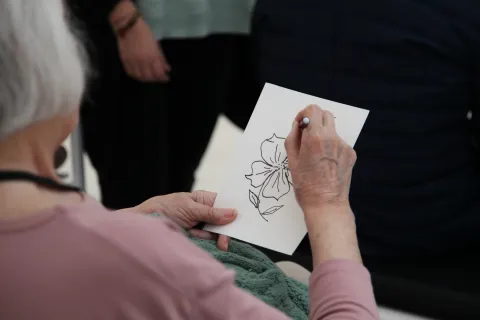
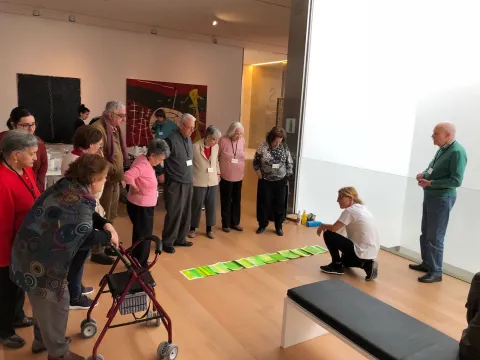
We started this edition with a wonderful visit to the temporary exhibition "Telefónica's Cubist Collection". In it we discovered that cubism was more than an avant-garde movement, it was the artistic movement that inaugurated modernity.
Through works by Juan Gris and other cubist artists, whose way of seeing reality offers us a range of imaginative possibilities, we discovered and learned another way of looking.
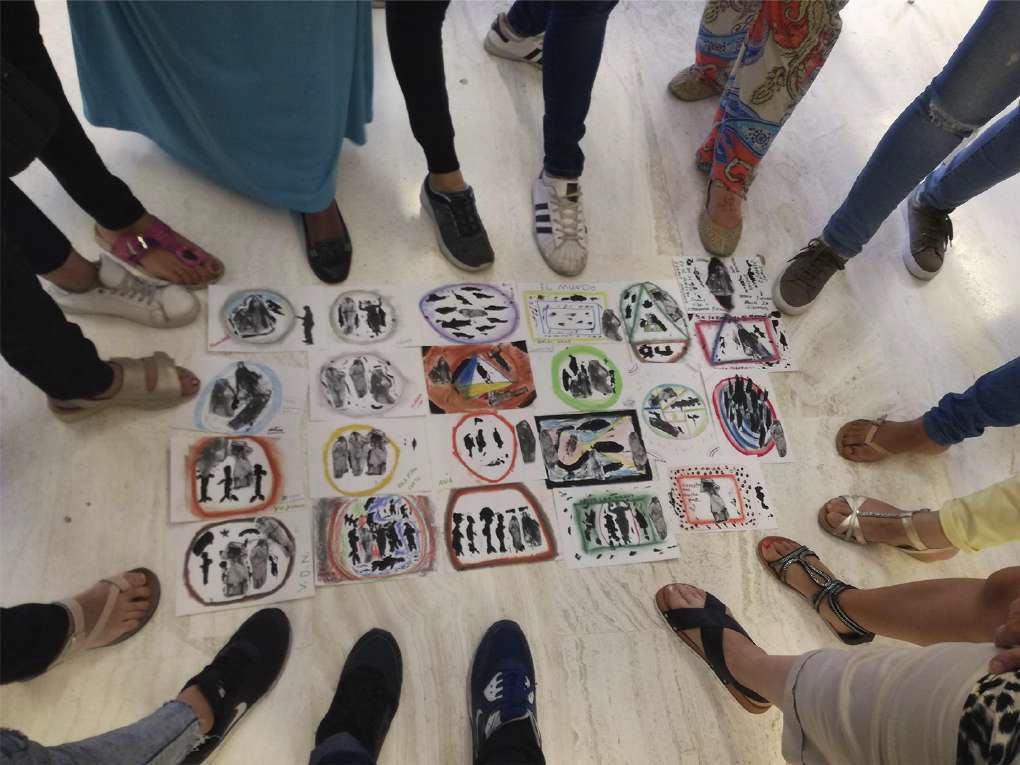
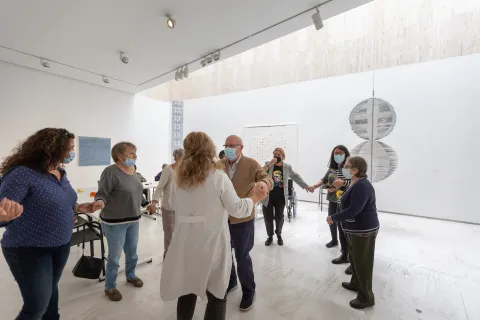
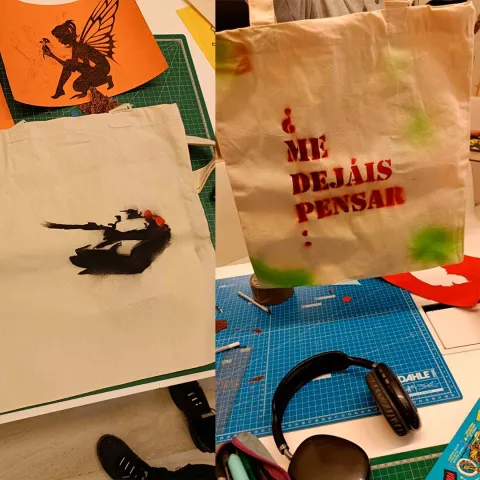
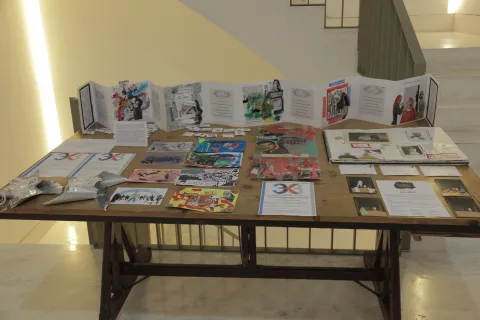
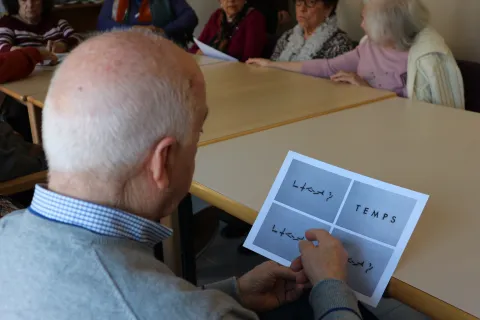
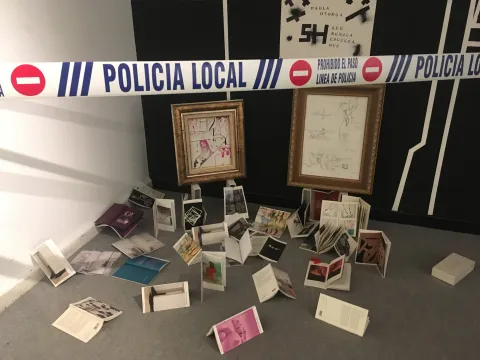
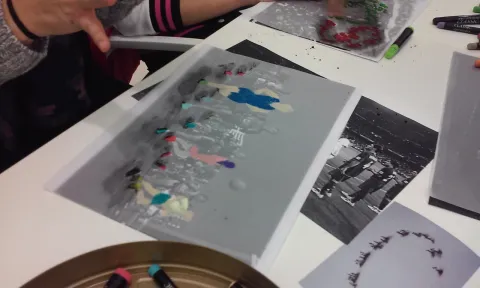
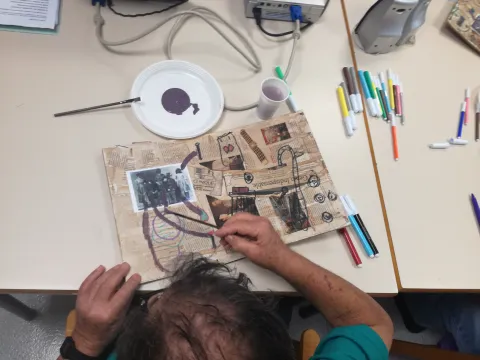
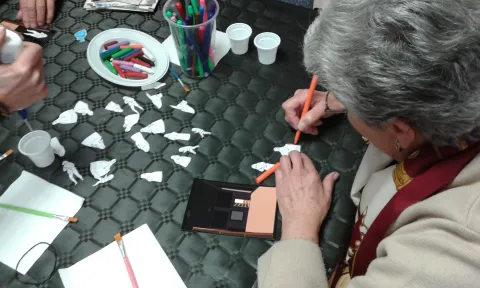
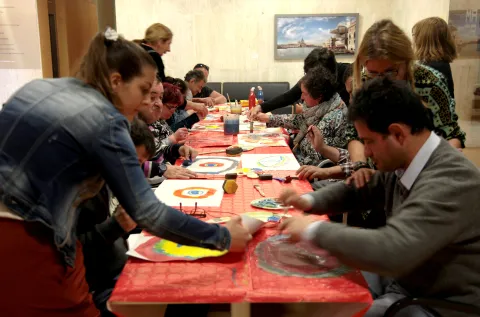
We related the museum's collections to the folklore that emerges from the Christmas season, through a workshop in which the traditions underlying collective memory are rescued. And we began a new year with the work of Carmen Calvo, with Mori el Merma by Joan Miró.
Joan Miró and Joan Baixas. Mori el Merma in Alicante
08.02.2015
-
24.05.2015
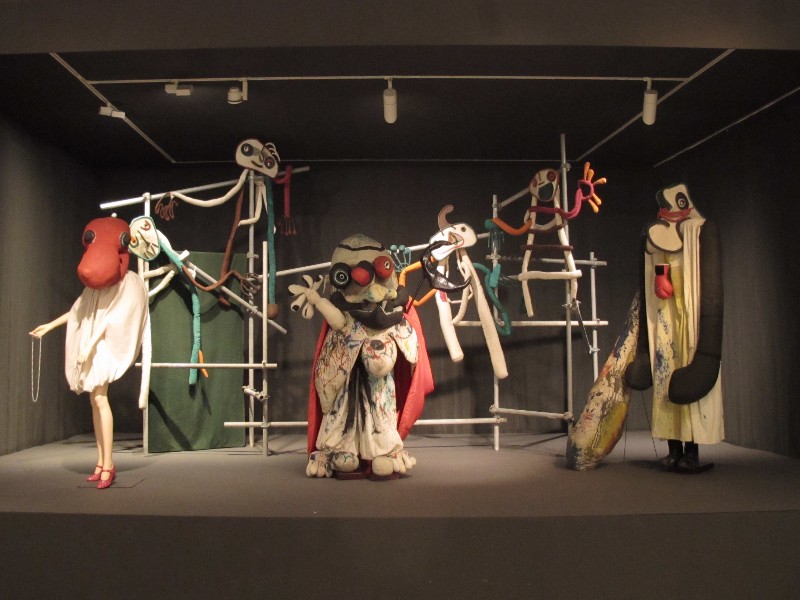
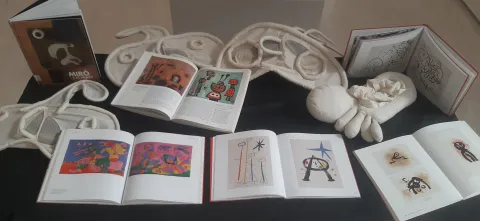
Mori el Merma was a theatrical spectacle by the Teatre de la Claca company directed by Joan Baixas and Teresa Calafell with sets, masks and large puppets designed and painted by Joan Miró. For several months, Miró collaborated in the design of the characters constructed in fabric and foam rubber by the group and in March 1977, in La Claca's own workshop and as one more member of the group, he proceeded to paint and decorate them. The adventure was recorded by the attentive camera of Francesc Catalá Roca. After months of rehearsals, the work premiered in 1978, first at the Teatro Principal in Palma de Mallorca and later at the Gran Teatro del Liceo in Barcelona. The success was resounding and clamorous. This chaotic and anarchist "troupe" was the image of a new country that had finally ended the dictatorship. In the first two years, from 1978 to 1980, Mori el Merma was performed throughout Europe: at the Centre Pompidou in Paris, at the Riverside Studios in London, at the Fondation Maeght in Saint Paul de Vence or at the Sala Olympia in Madrid.The importance of Mori el Merma in Joan Miró's production is capital: it is not just another of his forays into the theatrical scene, an artistic aspect for which he felt genuine passion. It is the representation of the character of Ubú conceived by Alfred Jarry, paradigm of all the dictators of the twentieth century, the vulgar and bloodthirsty tyrant who embodies corruption and despotism and whom Miró associated with General Franco. The character of Ubú, which Miró develops plastically through a series of drawings and three portfolios of lithographs, takes the stage with the work of Mori el Merma thus collecting his political ideology, transversally bathed in surrealism.The history of the Mori el Merma puppets in Alicante is complicated but fascinating. When in 1980, La Claca dismantled the work to undertake a new stage, Miró agreed to the sale of the initial sets: part of which were deposited in the Miró Foundation in Barcelona and another part, thanks to the efforts of Alicante artist Eusebio Sempere, were acquired by the Diputación of Alicante with the purpose of completing the Twentieth Century Art Collection. Meanwhile, the sets were exhibited in 1980 at the Museo de la Asegurada, not without friction between the artist and the City Council as recorded in the press. After fourteen months of exhibition they were dismantled and stored in wicker baskets that were removed by the Diputación in 1988 where they have been preserved ever since. They were never exhibited again.
MACA is a living and dynamic museum, which is why the educational team has offered complementary activities since its inception to showcase the creative processes and references of contemporary art. Each year the museum renews its proposals for the different levels of formal education. These are projects related to the permanent collections and temporary exhibitions. The ultimate goal of the different proposals is to promote the construction of a critical perspective, learn to observe the works, enjoy the information that can be useful for understanding and appreciating each piece, and have the necessary keys so that each student can face contemporary art without inhibitions.Since its opening, the museum's educational team has committed to inclusive education. Throughout the year, multiple projects are developed for attention to diversity and social awareness, whose purpose has been and is to promote effective integration and real accessibility for all to art, culture, and the museum. To this end, the museum regularly organizes programs, projects, guided visits, and workshops for groups with physical, psychological, sensory, intellectual, or mental functional diversity, as well as for groups in situations of social vulnerability.We are fully convinced that attention to all audiences should be a priority, and in that way we plan and organize educational activities in order to serve all people.All projects are developed and directed by museum educator and mediator Ester García Guixot.