Press Enter to search or ESC to close
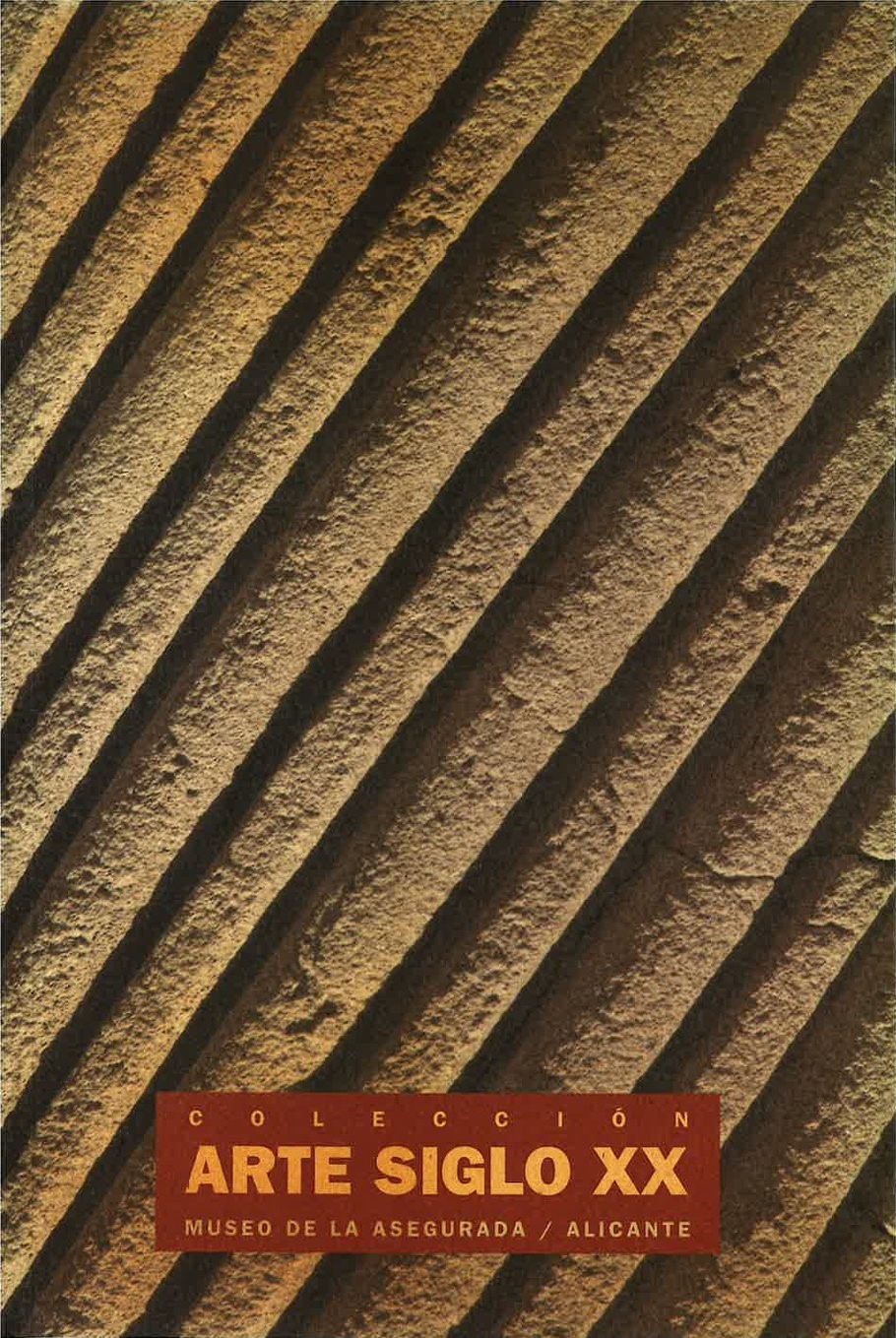
Guide to the 20th Century Art Collection of the Museo de la Asegurada in Alicante.
2025
2024
2024
2024
2019
2019
2014
2013
2012
2012
2010
2009
30.10.2015 - 24.01.2016
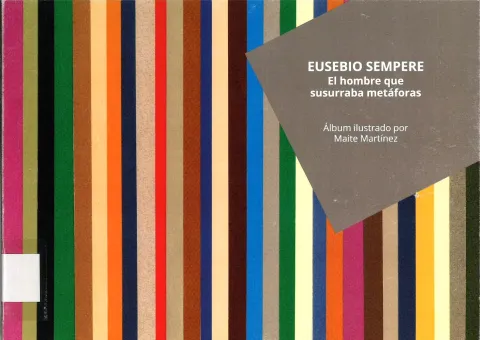
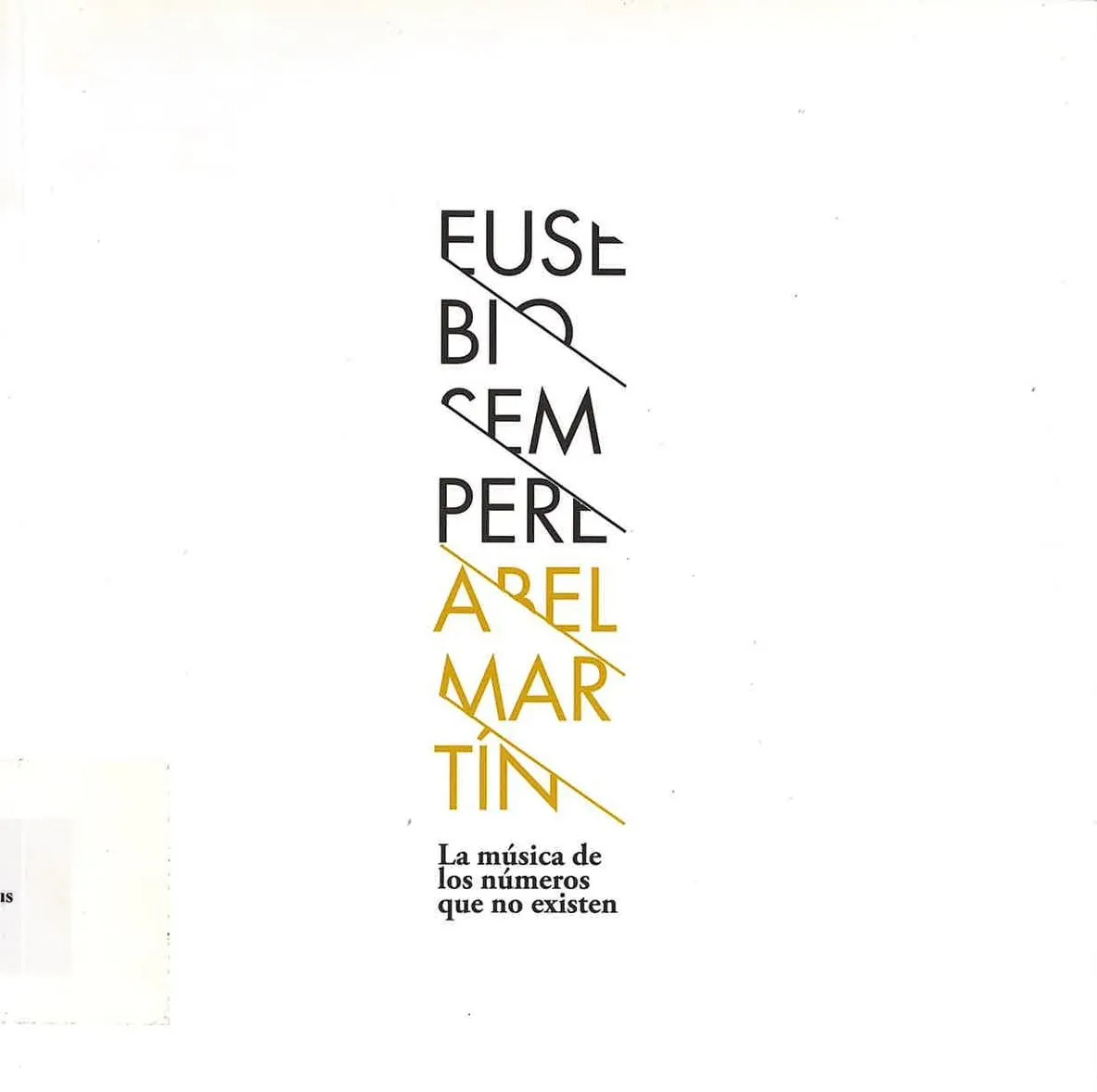
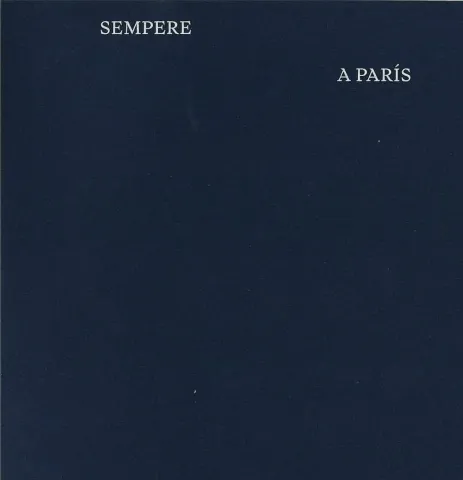
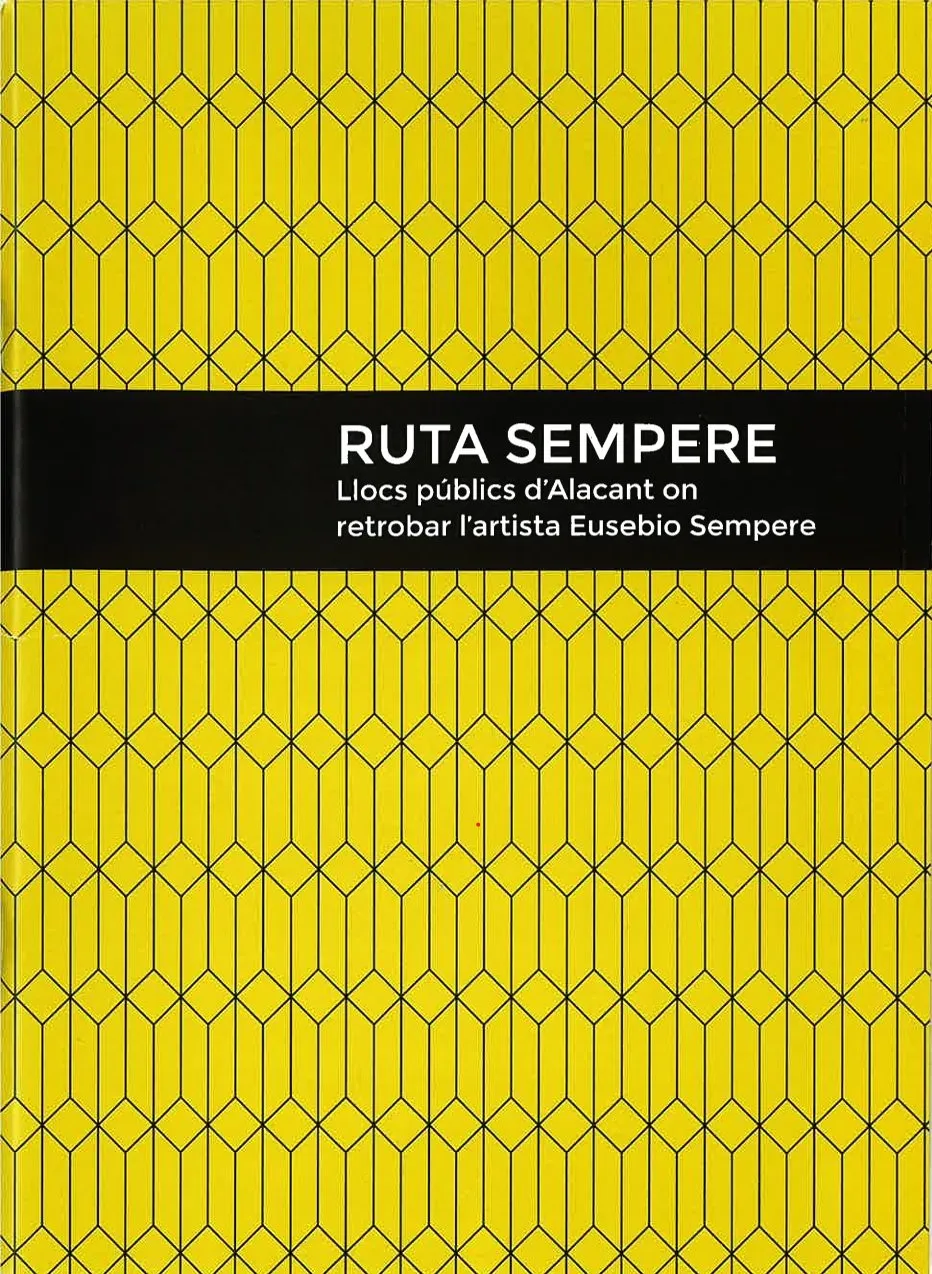
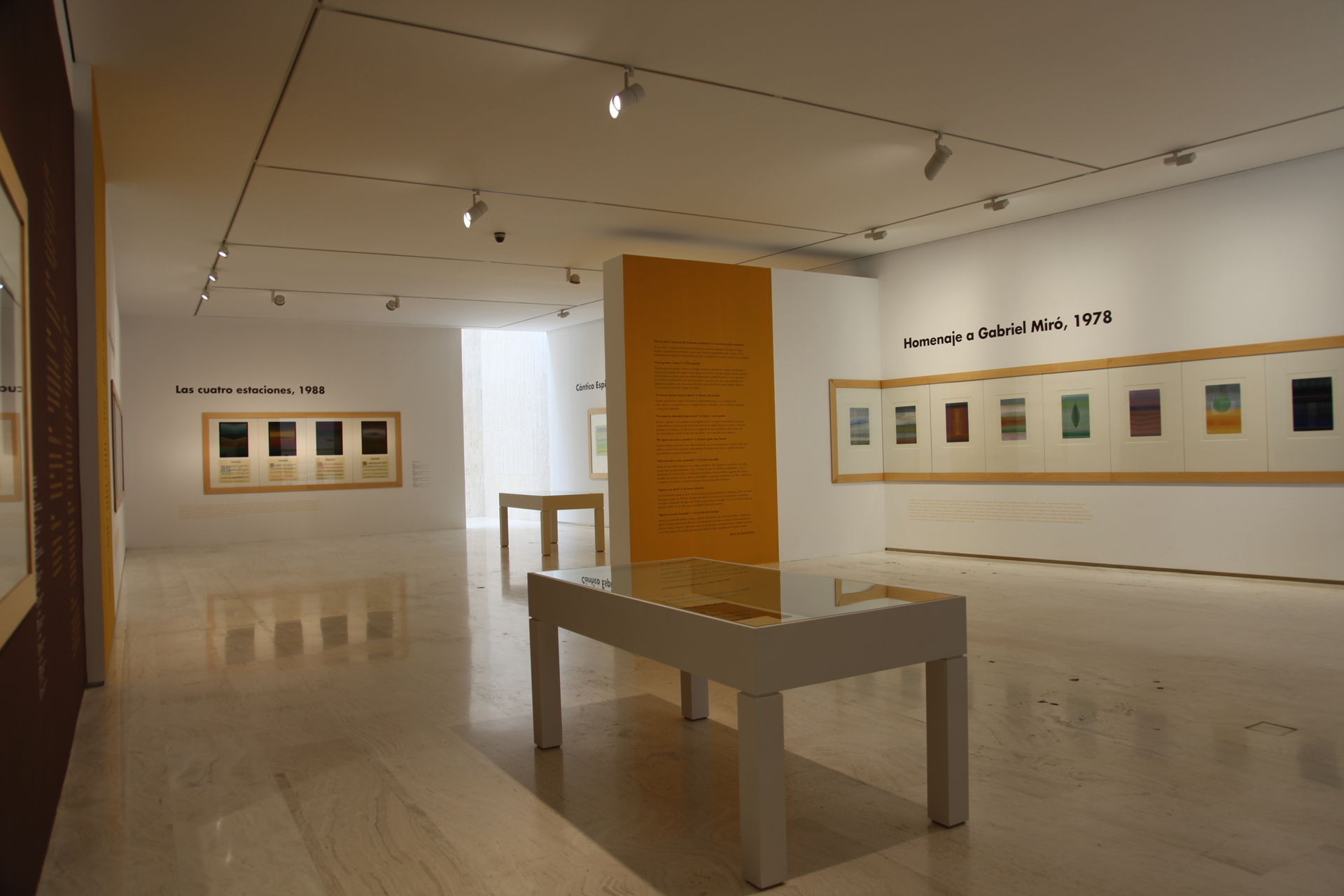
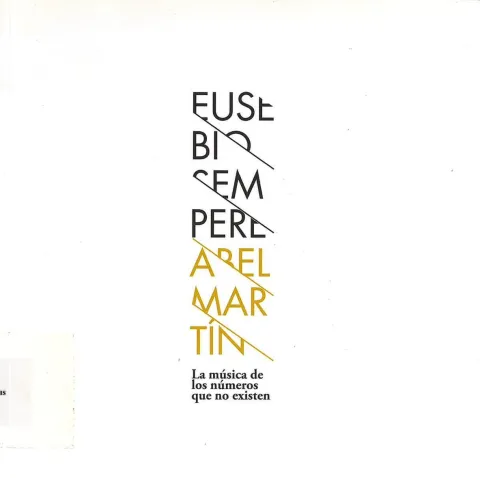
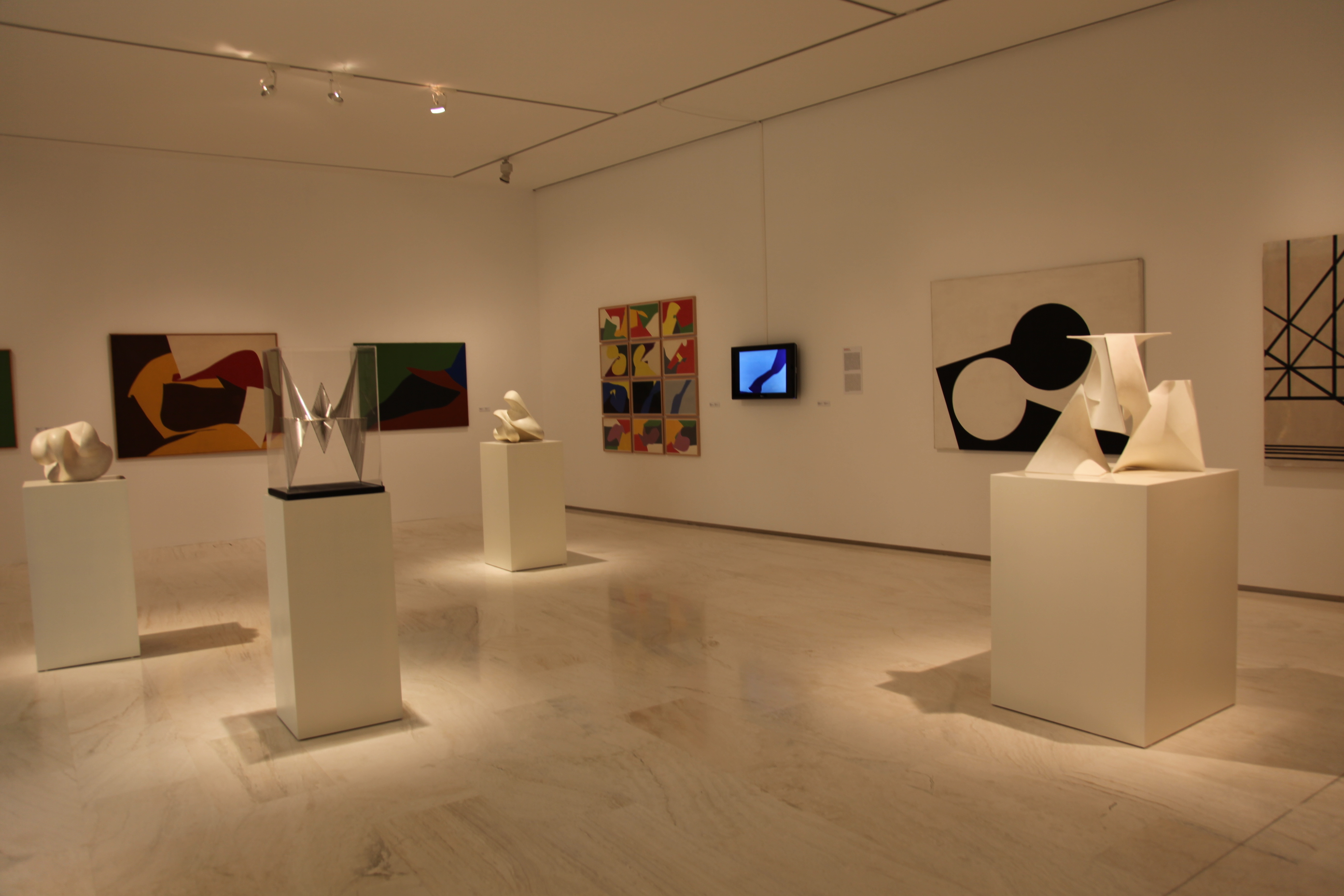
The Four Seasons of 1965 is the first portfolio of artistic silkscreens printed in Spain. It was 50 years ago and the presentation at the Juana Mordó Gallery became an unprecedented success with the public, critics, and sales. It was the beginning of one of the most important sets of graphic works created in twentieth-century Spain, that of artist Eusebio Sempere, exceptional both for its quality and its quantity. Approximately two hundred works among silkscreens, lithographs, and engravings, elaborated by hand in which the highest levels of meticulous perfection are achieved and sometimes, precious craftsmanship.Nine portfolios of original silkscreens by Eusebio Sempere are presented, all printed by Abel Martín, as if it were a team effort, which trace the vital trajectory of both artists and demonstrate their joint artistic collaboration, the union and spiritual communication. Sempere would be the mind behind the forms and colors that Abel Martín, an excellent printer, then captured on paper through the superposition of silk screens, one for each of the colors used. Sometimes more than 40.The Four Seasons of 1965, Nayar Album of 1967, Alarm Book, Transparency of Time or The Alhambra of 1977, Homage to Gabriel Miró of 1978, The Light of the Psalms of 1980, Spiritual Canticle of 1982 or the posthumous portfolio of The Four Seasons of 1988 that Abel Martín completed alone, combine the music of numbers that do not exist with the precise literature for each line.All the portfolios are accompanied by literary texts, experimental, avant-garde, classical or mystical. Pedro Laín Entralgo, Julio Campal, José Miguel Ullán, Edmond Jabés, the Arab poets of Granada, Gabriel Miró, the biblical psalms or Saint John of the Cross presented in turn by Rafael Alberti, Gerardo Diego, Vicente Aleixandre, Juan Cantó or Vicente Aguilera Cerni, words kindled in the forms and colors that inspire souls with the desire to stay there and take a seat.
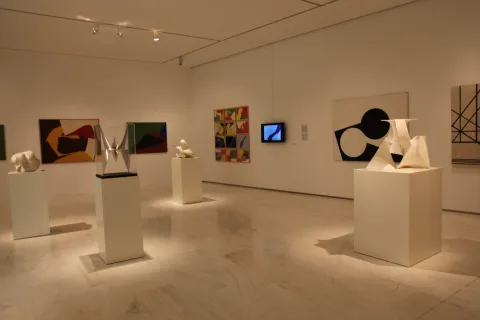
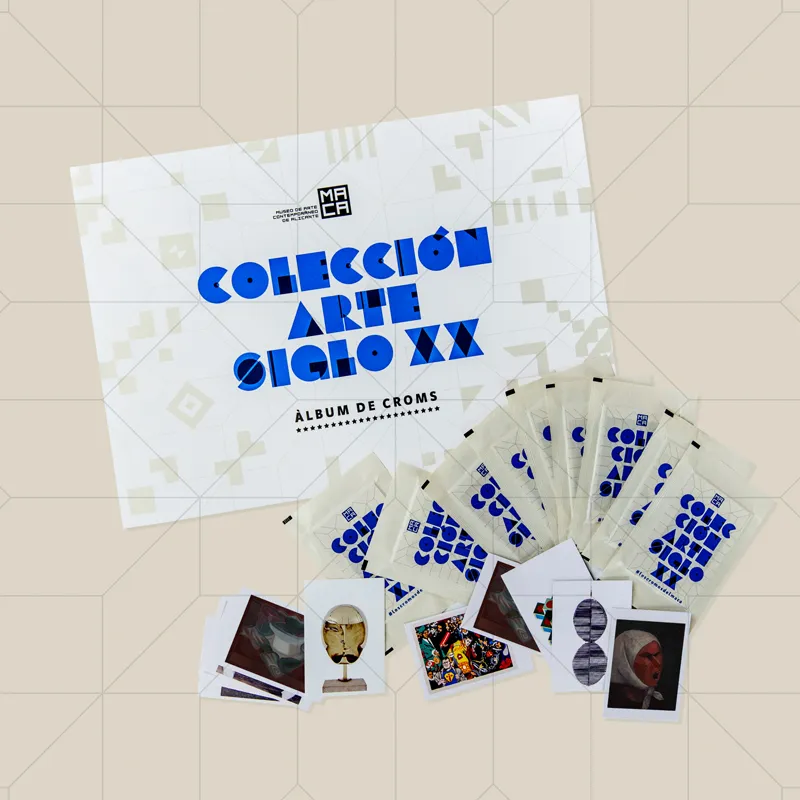
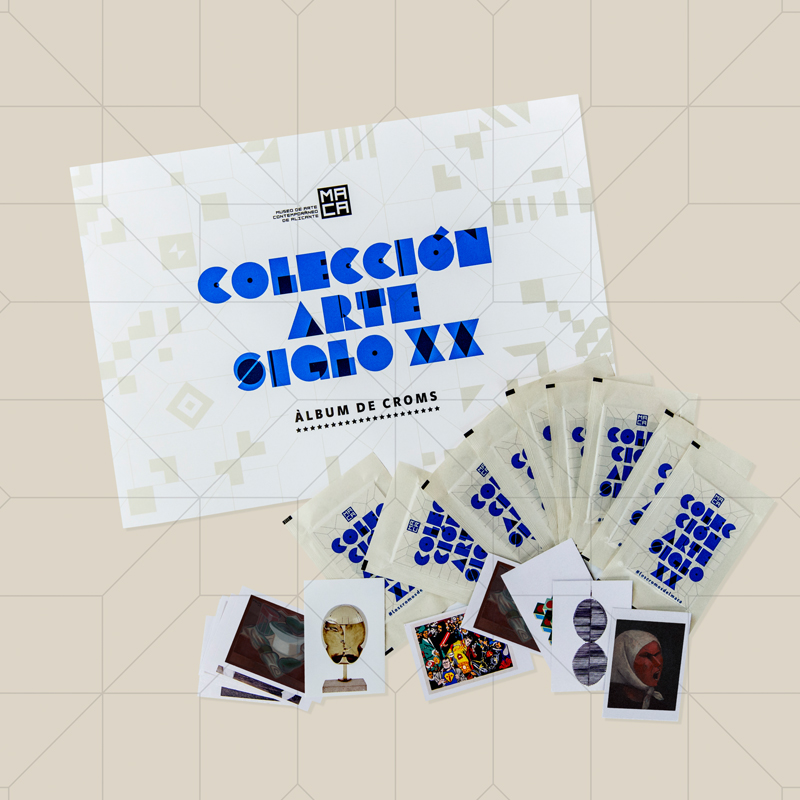
With great generosity and social commitment, Eusebio Sempere donated his art collection to the city of Alicante, inaugurating on November 5, 1977, the Museum of La Asegurada, one of the first contemporary art museums in Spain. To commemorate the 40th anniversary, this Sticker Album brings together a selection of 40 outstanding works from the "20th Century Art Collection" that allows us to explore the multiple paths of the artistic landscape of the 20th century and demonstrates the quality and importance of the works gathered by the Alicante artist.
2025
2024
2024
2024
2019
2019
2016
2013
2012
2012
2010
2009
13.10.2010 - 06.02.2011
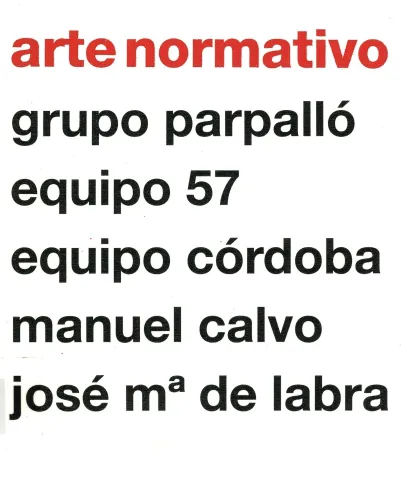
On March 12, 1960, the First joint exhibition of Spanish normative art was inaugurated at the Ateneo Mercantil in Valencia. This exhibition was organized by the Parpalló Group and coordinated by Valencian critics Vicente Aguilera Cerni and Antonio Giménez Pericás, and featured the participation of Equipo 57, Equipo Córdoba, José Mª Labra and Manuel Calvo. The exhibition displayed works by all of them together with members of the Valencian group: Andreu Alfaro, Eusebio Sempere, Isidro Balaguer, Monjalés and decorator José Martínez Peris. The exhibition constituted the culmination of an intense prior process of dialogue and debate among the various art critics, artistic groups and artists who had taken a stand for geometric abstraction in open opposition to informalism. Normative art or normativism was the indigenous label proposed in Spain in the late 1950s, with the intention of creating a broad representative movement, unprecedented in our country, of geometric abstract art heir to neoplasticism, constructivism and the Bauhaus. The exhibition on Normative Art is composed of more than 50 works including sculptures, paintings and photographs and commemorates the 50th anniversary of the first exhibition of Spanish Normative Art that took place in Valencia on March 12, 1960. The exhibition displays 12 sculptures, 5 photographs, 5 luminous reliefs, 2 panels, as well as other exhibition elements such as the poster from the 1960 exhibition and a film by Equipo 57.
2025
2024
2024
2024
2019
2019
2016
2014
2013
2012
2012
2009
02.03.2011 - 05.06.2011
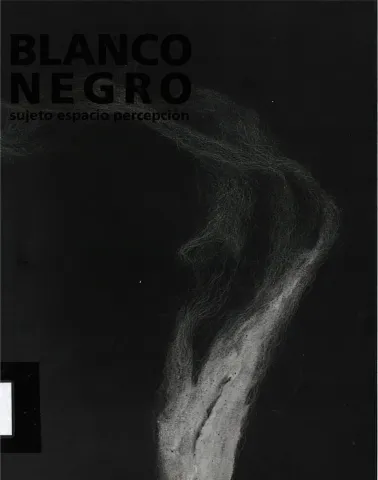
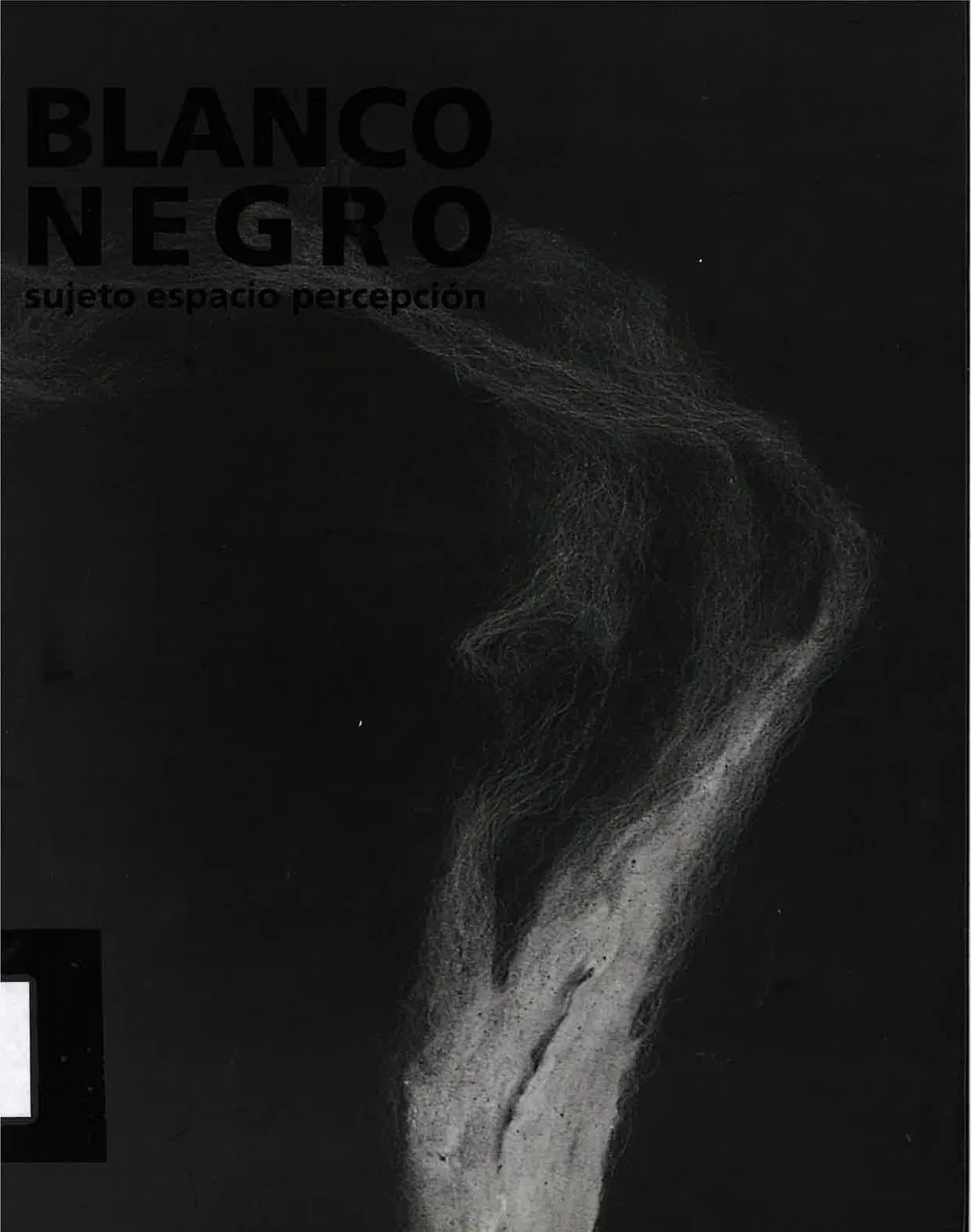
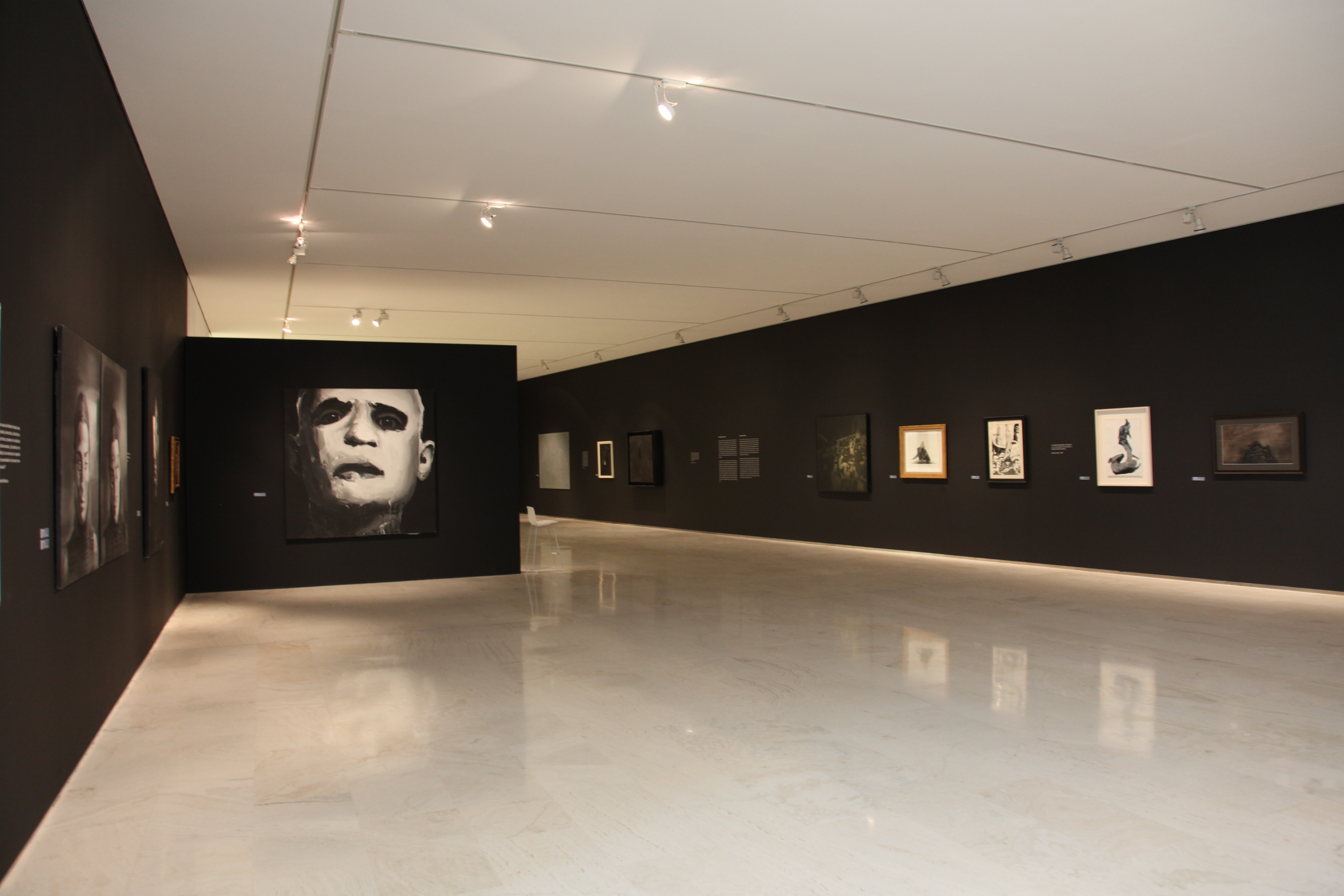
The exhibition "Black and White: Subject, Space and Perception" is an approach to the work of various artists who, in the Spanish sphere from the end of the post-war period to the present day, have approached plastic creation from monochromatic works in white or black to the construction of a space that is articulated around opposite or complementary dualities. Consequently, proposing an exhibition about color is to reflect on one of the central themes for contemporary creation. Among the successive vicissitudes that color underwent during the twentieth century, we observe how, from the Second World War to the present day, color underwent a continuous process that transformed it into a common and banal material within everyday life, which came to be mass-produced and standardized by commerce. In the artistic sphere its repercussions were no less significant, therefore, a certain number of artists formed a color palette far removed from any spiritual, intentional or significant will that, until then, the tradition of art had demanded.This new presentation of the exhibition at the Museum of Contemporary Art in Alicante, which is based on the Collection of the Chirivella Soriano Foundation, is structured in four areas: Prelude on White; Individual Isolation, Society; Destruction and Love; and finally, Harmony of Opposites.
2025
2024
2024
2024
2019
2019
2016
2014
2013
2012
2012
2010