White Night 2016

Submitted by brandcode_deweloper on

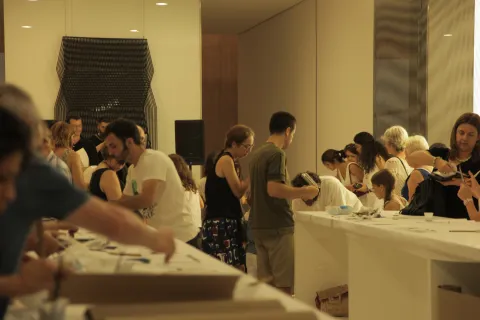
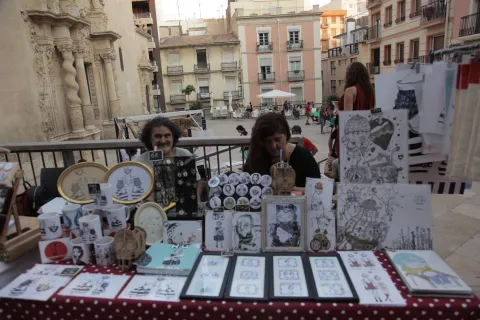
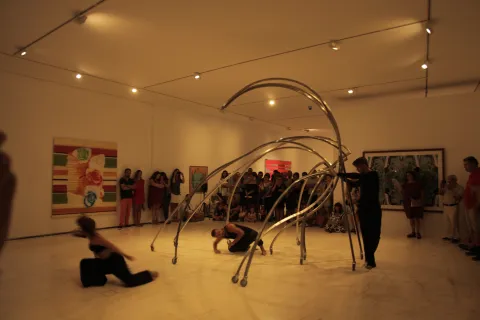
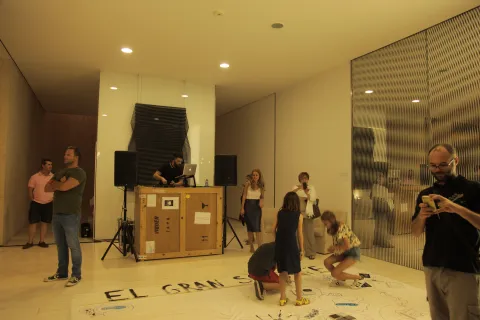
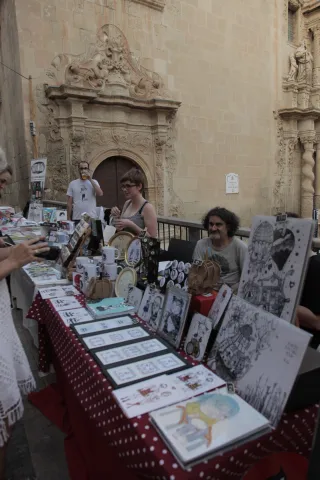
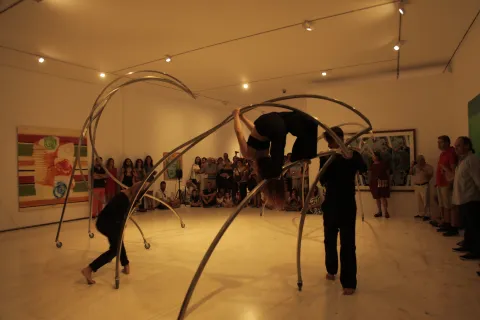
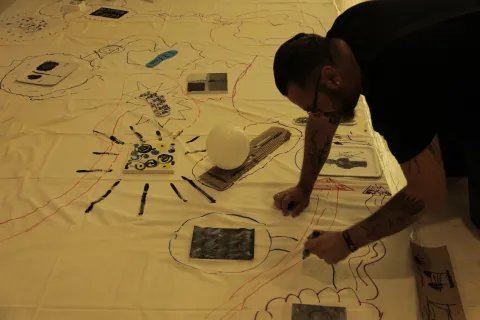
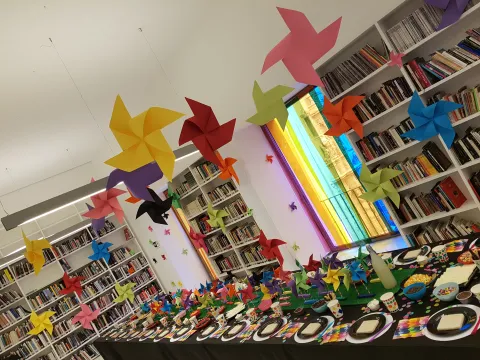
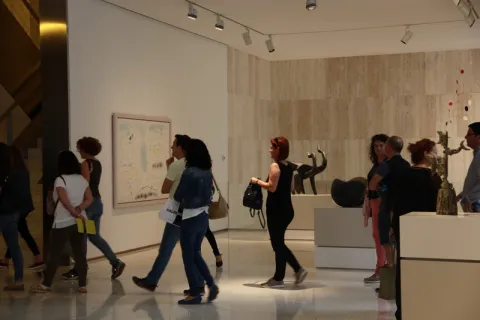
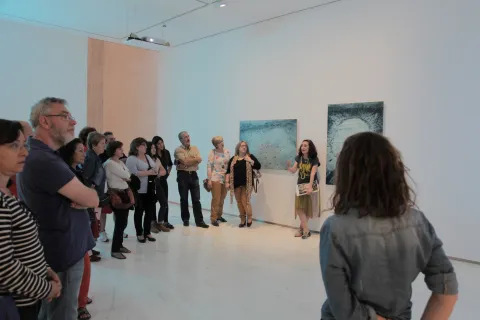
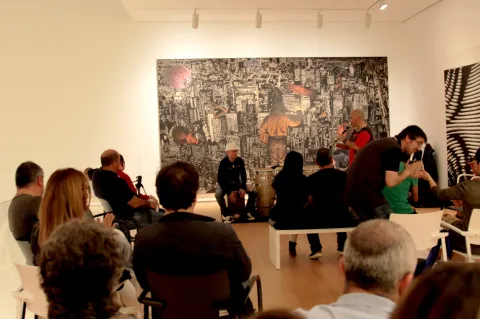
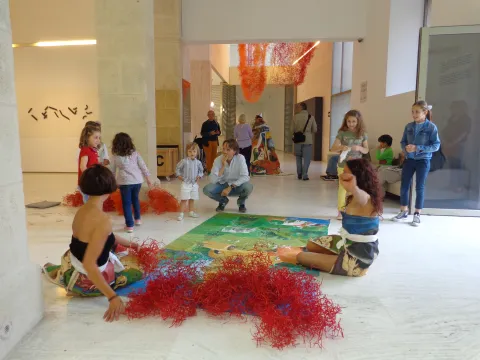
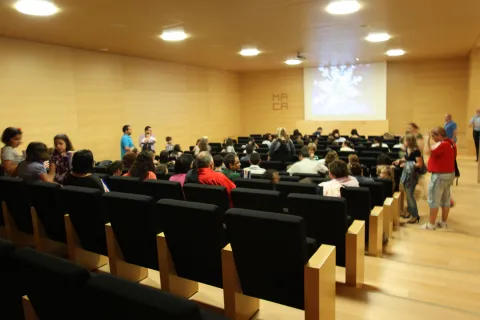
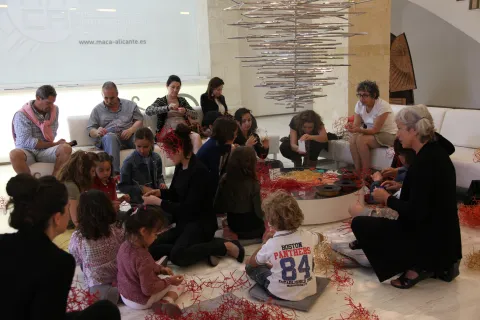
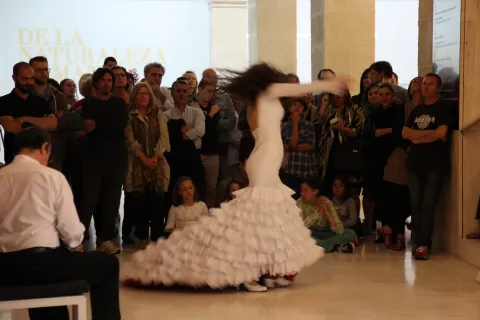
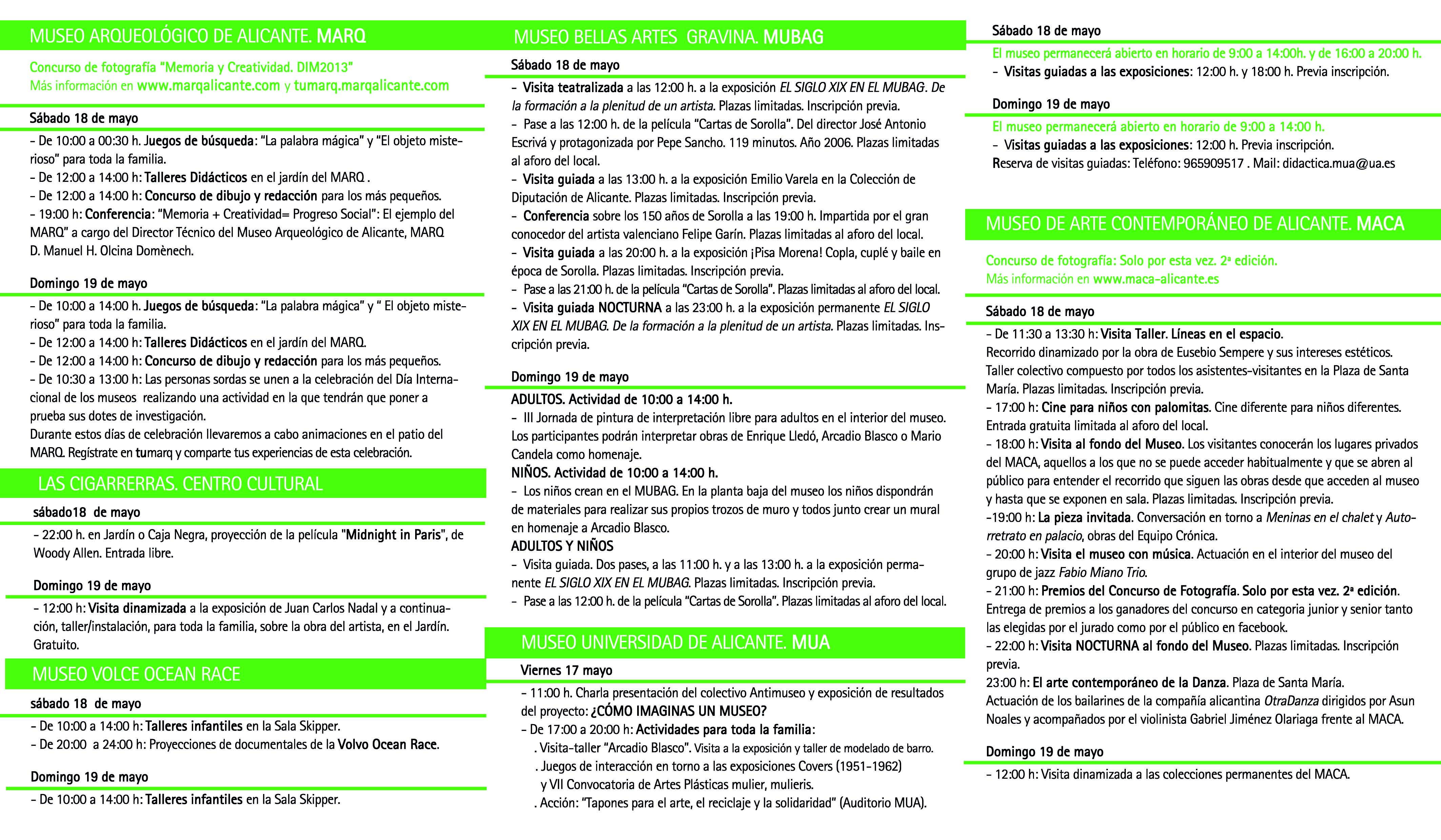
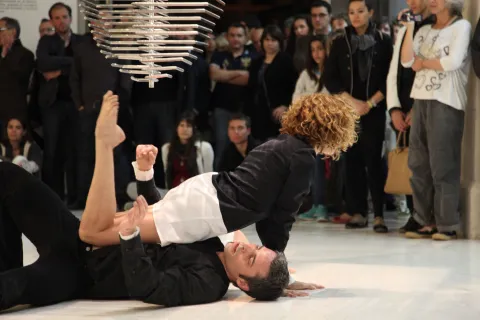
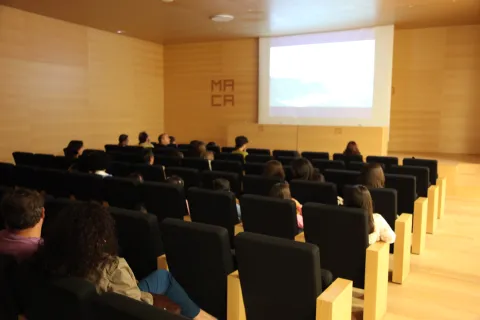
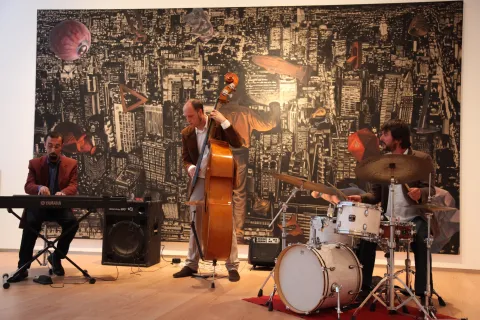
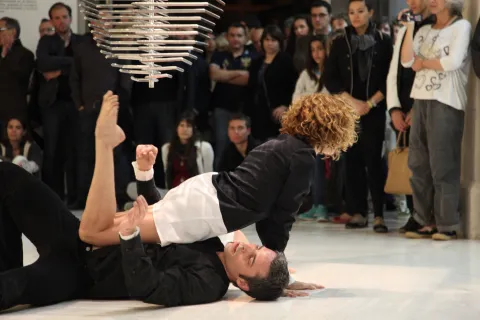
Alicante proposes year after year the White Night, with an attractive cultural offer. The initiative is jointly programmed by the city's museums and art centers. The proposal that emerges from several meetings between technicians from different museums is to celebrate the first edition of the White Night in Alicante, on July 22, 2015, with an attractive offer of activities. The purpose is to enjoy contemporary artistic creation through different activities and free cultural events, thus promoting citizen participation. In Spain, this initiative is developed in cities such as Madrid, Burgos, Málaga, Albacete and Barcelona, to which others have been added such as La Laguna, Badajoz, Teguise, Alcalá de Henares, Zaragoza, Nerja, Seville, Almería, Cáceres, Oviedo or Granada.

With this purpose, Alicante proposes year after year the White Night, with an attractive cultural offer. The initiative is jointly programmed by the city's museums and art centers: MARQ Archaeological Museum, MACA Museum of Contemporary Art of Alicante, MUBAG Gravina Fine Arts Museum, MUA Museum of the University of Alicante, Las Cigarreras, Volvo Ocean Race Museum, Museum of Waters of Alicante, Exhibition Hall of the Fish Market, Juan Gil Albert Institute of Culture, and MUSA, Alicante City Museum. The project aims to bring together all types of public and private cultural initiatives, promote the participation of Alicante residents, individually or collectively, and suggests rediscovering the city with the opening of different spaces that are not usually accessible to the public at night.

ACTI-0233
Imagen
noche-blanco-alicante.jpg
From 8:00 PM to 1:00 AM

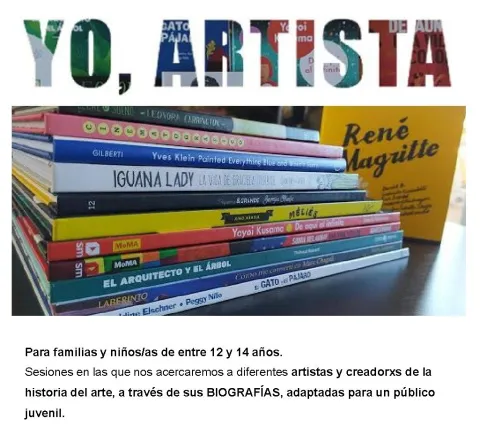
I, artist

Submitted by brandcode_deweloper on

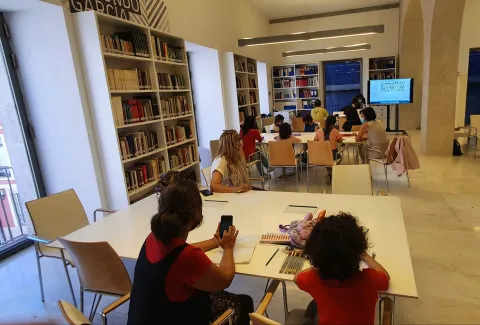
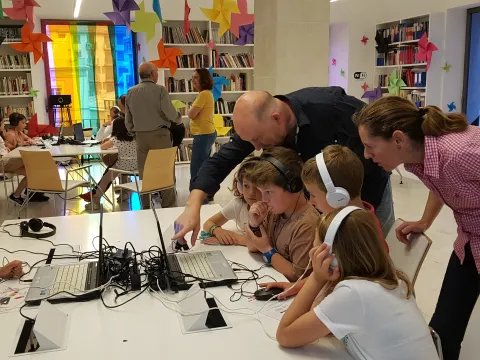
Aimed at families with children aged 12 to 14 years old, these sessions aim to foster interest in the world of art and reading among an audience approaching adolescence who is beginning to understand the adult world while still from the innocence of childhood. The selection of books, mostly biographies, offers a certain fascination among the younger audience that is beginning to move away from children's literature. This pre-adolescence is a very interesting moment to offer tools for creation and exploration of the world, because by developing our artistic talent and acquiring culture and knowledge, we foster empowerment, self-esteem and open minds.

ACTI-0205
Imagen
YO-ARTISTA-MACA-2021-3.jpg
Two Wednesdays a month

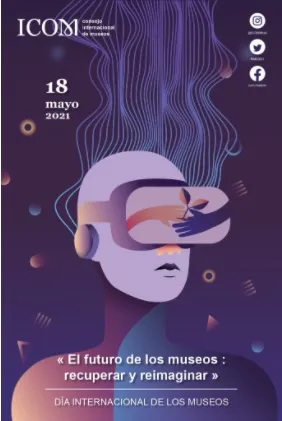
Museum Day 2021

Submitted by brandcode_deweloper on

The objective of the International Museum Day (IMD) is to raise awareness about the importance of museums as a means for cultural exchange, the enrichment of cultures, as well as for the development of mutual understanding, collaboration and peace among peoples.

With the theme "The future of museums: recover and reimagine", the International Museum Day 2021 invites museums, their professionals and communities to create, imagine and share new practices of (co)creation of value, new business models for cultural institutions and innovative solutions for the social, economic and environmental challenges of the present.

ACTI-0128
Imagen
DIM-2021.jpg

Museum Day 2019

Submitted by brandcode_deweloper on

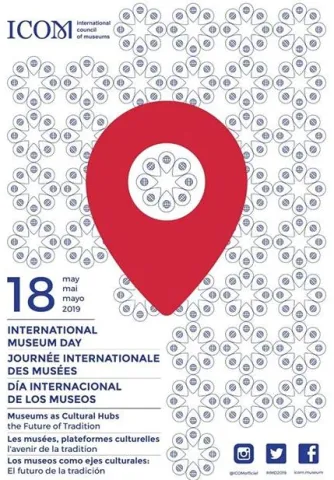
Every year since 1977, ICOM organizes the International Museum Day, an exceptional moment for the international museum community.

The objective of International Museum Day (IMD) is to raise awareness of the fact that museums are an important means for cultural exchange, the enrichment of cultures, as well as for the development of mutual understanding, collaboration and peace among peoples.

Organized on May 18 or around that date for more than 40 years, the events and activities planned to celebrate IMD can last a day, a weekend or even an entire week. More and more museums around the world are participating in this global celebration: last year 37,000 museums took part in the event in 158 countries and territories.

This year's theme is: "Museums as Cultural Hubs: The Future of Tradition"

International Museum Day 2019 will focus on the new roles that museums play as active actors in their communities. The role of museums in society is changing. Museums are continuously reinventing themselves to be even more interactive, audience-focused, community-oriented, flexible, adaptable and mobile. They have become cultural hubs that function as platforms where creativity is combined with knowledge and where visitors can co-create, share and interact.

ACTI-0081
Imagen
dim2019.jpg

Museum Day 2018

Submitted by brandcode_deweloper on

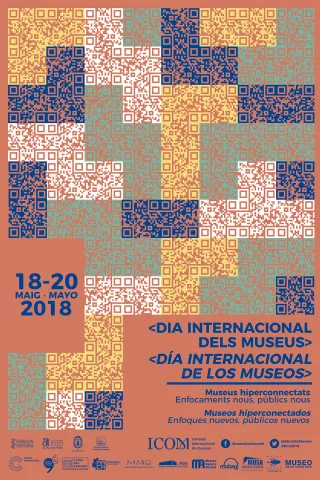
Since 1977, International Museum Day is celebrated every year around the world on May 18th. From America to Oceania, passing through Europe, Asia and Africa, International Museum Day is an opportunity to raise public awareness about the role of museums in the development of society.

The theme for International Museum Day 2018, as determined by ICOM this year, will focus on "Hyperconnected Museums. New Approaches, New Audiences".

In an increasingly connected world, it is impossible to understand the role of museums without taking into account all the connections they establish. They are an inherent part of their local communities, their cultural landscape and their natural environment. Technology allows museums to reach beyond their usual audience through something as simple as a hashtag. Some museums don't even need technology to create new connections; for them, presenting their collection in a different and innovative way is enough to attract a completely new audience.

International Museum Day 2018 is an opportunity for all museums in the world to seek new approaches and new audiences through the analysis, strengthening and creation of connections.

ACTI-0072
Imagen
dim-2018-cartel.jpg
All rooms

Museum Day 2017

Submitted by brandcode_deweloper on

Every year since 1977, International Museum Day is celebrated worldwide on May 18th. From the Americas to Oceania, passing through Europe, Asia, and Africa, International Museum Day is an opportunity to raise public awareness about the role of museums in the development of society.

The theme for International Museum Day 2018, as determined by ICOM this year, will focus on "Hyperconnected Museums. New Approaches, New Audiences".

In an increasingly connected world, it is impossible to understand the role of museums without taking into account all the connections they establish. They are an inherent part of their local communities, their cultural landscape, and their natural environment. Technology allows museums to reach beyond their usual audience through something as simple as a hashtag. Some museums don't even need technology to create new connections; for them, presenting their collection in a different and innovative way is enough to attract a completely new audience.

International Museum Day 2018 is an opportunity for all museums in the world to seek new approaches and new audiences through the analysis, strengthening, and creation of connections.

ACTI-0060
Imagen
DIM_017_Adaptaciones_A4.jpg
All rooms

Museum Day 2016

Submitted by brandcode_deweloper on

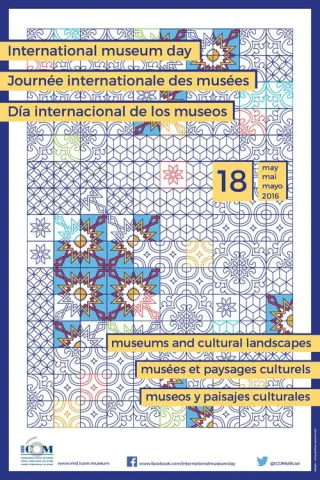
Since 1977, ICOM has organized the International Museum Day (IMD) every year, a unique occasion for the international museum community. On that day, museums participating in IMD plan events and creative activities related to the International Museum Day theme, connect with their audiences, and emphasize the importance of the role of museums as institutions serving society and its development. The objective of International Museum Day is to raise public awareness of the fact that "Museums are an important means for cultural exchanges, the enrichment of cultures, the advancement of mutual understanding, cooperation and peace among peoples". It is celebrated every year on May 18 or around that date, and the events and activities organized for the celebration can last a day, a weekend, or an entire week. International Museum Day brings together an increasing number of museums around the world. In 2014, more than 35,000 museums from 145 countries participated in the event. In 2016, the event will revolve around the theme: Museums and Cultural Landscapes.

The theme "Museums and Cultural Landscapes" presupposes a form of responsibility of museums with respect to the landscape of which they are a part, to which they can contribute their own knowledge and expertise, being active protagonists in its management and proper maintenance. The primary mission of museums is to safeguard heritage, whether within or outside their walls. Their natural vocation is to expand their mission and deploy their own activities in the open field of cultural heritage and the landscape that surrounds them, and for which they can assume responsibility in varying degrees.

To the vision of a museum primarily committed to the conservation, exhibition, and communication of its own collections, another vision is substituted that is more respectful of nature—an institution that also conducts research and produces, acquires, and disseminates knowledge about the territory that surrounds it, and raises awareness among the communities living there to have a different perception of their landscape.

Responsible for the landscape that surrounds it, the museum equally has the mission to protect and conserve environmental heritage, in order to promote development that respects its identity characteristics, by mutual agreement and in collaboration with all entities—public and private—that have an interest in it in various aspects. A museum responsible for the landscape assumes, at the same time, its role as a center for the interpretation of heritage and territory, promoting its knowledge and raising awareness among its inhabitants and visitors about its constitutive values, requesting their intervention for its conservation, promotion, and enrichment. The landscape, by nature, is in constant evolution and could not be fixed or converted into a museum. Protecting and conserving it amounts to preventing its transformations from resulting in the annihilation, disfigurement, or degradation of its identity characteristics.

Museums can thus contribute significantly to the administration of a territory that respects the values of the landscape, by providing knowledge about the territory, heritage, and landscape; through activities of protection, conservation, and interpretation of cultural heritage carried out both inside and outside their walls; via active participation in public and urban policies and in the definition and implementation of landscape policies.

ACTI-0049
Imagen
1CARTEL_n.jpg
All rooms

Museum Day 2015

Submitted by brandcode_deweloper on

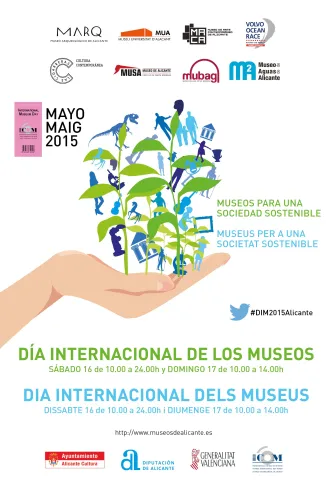
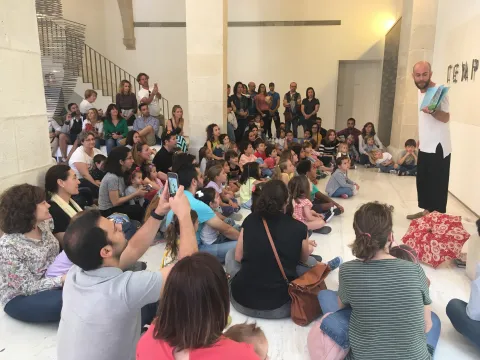
Museums on May 18. From America to Oceania passing through Europe, Asia and Africa, International Museum Day is an opportunity to raise public awareness about the role of museums in the development of society.

The theme for International Museum Day 2015 as determined by ICOM this year reads Museums for a Sustainable Society. At present, humanity must adopt ways of life and development compatible with the limits of nature. The transition towards a sustainable type of society involves the invention of new methods of thinking and action. Promoters of sustainable development and authentic laboratories of exemplary practices, current museums play an essential role in this transition and must consolidate their position and make their voice heard in this context.

The theme Museums for a Sustainable Society recognizes the role of museums in raising public awareness about the need for a less wasteful society, more solidary and that uses resources in a way more respectful of biological systems. Applying this concept of sustainable society to museums, the theme of International Museum Day aims to promote greater awareness throughout society about the current impacts of human action on our planet and the imperative needs to change the economic and social model.
ACTI-0042
Imagen
cartel_DIM_2015.jpg
All rooms

Museum Day 2014

Submitted by brandcode_deweloper on

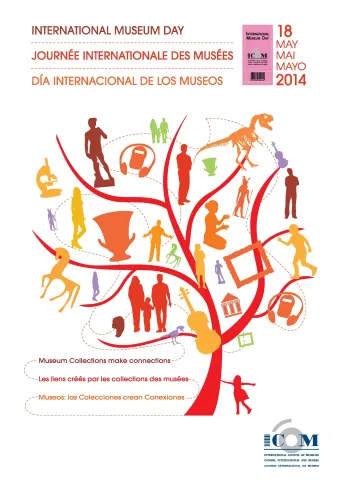
MACA participated for the third consecutive year in the International Museum Day. The theme proposed by ICOM this year was "The connections created by Museum collections," which emphasizes how museum collections create connections between people, generations, and cultures by preserving and displaying cultural heritage. This theme highlights that museums are living institutions that establish links through collective memory and the historical, artistic, scientific, or ethnic value of their collections.
ACTI-0032
Imagen
CARTEL-BUENO.jpg
All rooms

Museum Day 2013

Submitted by brandcode_deweloper on

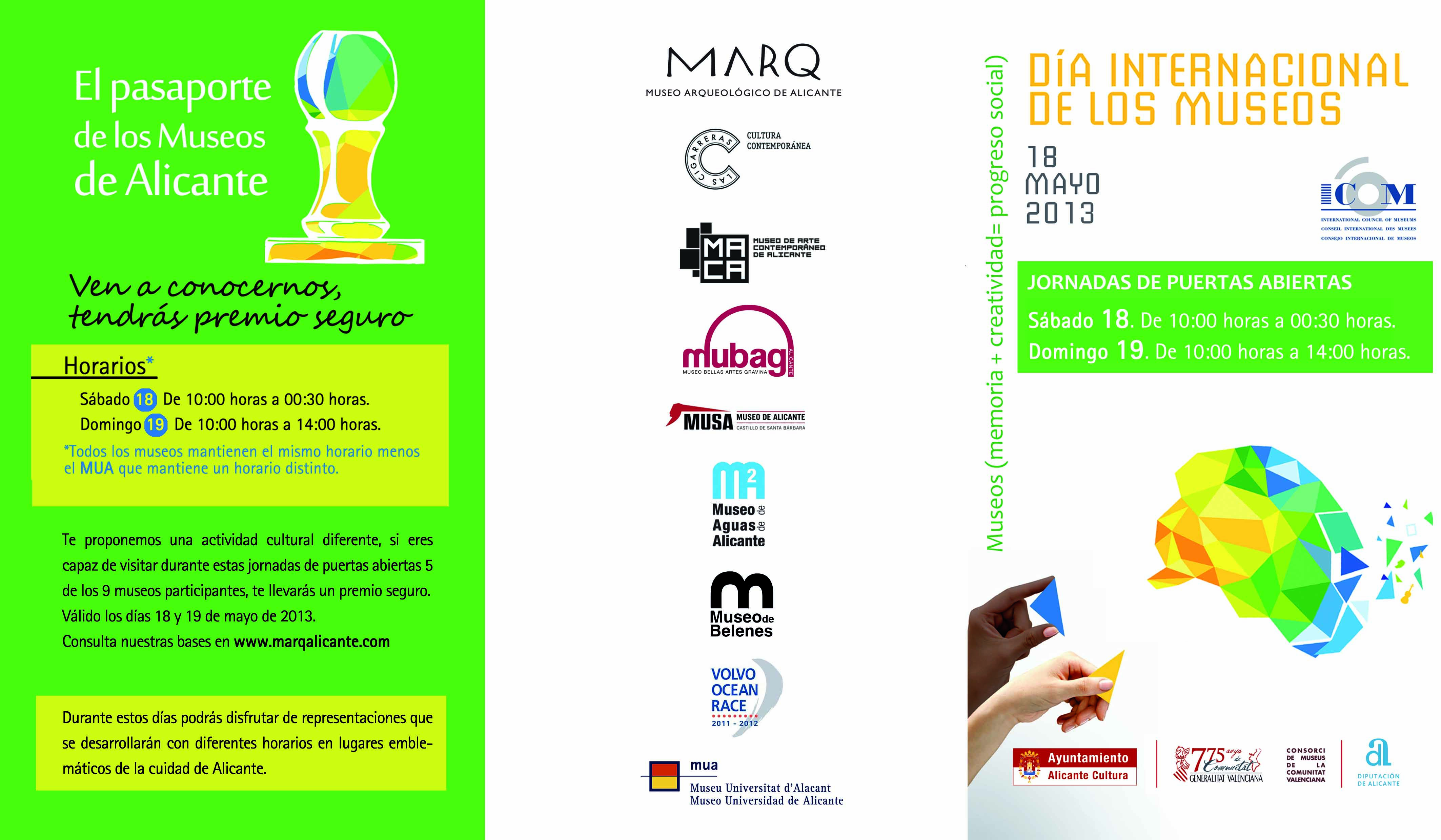
Traditionally, the International Museum Day is celebrated around May 18. The celebration can last a day, a weekend, or a week. The objective is to gather at the museum around the motto "The museum, an important medium for cultural exchanges, the enrichment of cultures, the advancement of mutual understanding, cooperation and peace among peoples".

Since 1977, ICOM organizes the International Museum Day (IMD) every year, a unique occasion for the international museum community. On that day, the museums participating in the IMD present an issue that concerns cultural institutions. The International Museum Day also represents a great opportunity for museum professionals to

get to know their public and emphasize the importance of the role of museums. Museums are institutions at the service of society and its development and therefore have a role to

play in it.

The IMD brings together more and more museums around the world. In 2012, 32,000 museums participated in the event in 129 countries across the 5 continents. The ICOM Advisory Committee proposes a theme each year that museums can use to

enhance their position in society.

The theme proposed for the year is Museums (memory + creativity) = social progress.

Our rich heritage, which is displayed and protected by museums, is associated with ingenuity and vitality, two characteristics that in recent years have characterized the museum sector and

are the main strengths of museums. Museums strive to achieve a reconciliation of their traditional mission of preserving memory with the cultivation of creativity,

necessary for their renewal and to increase the number of visits, and they have the firm conviction that their presence and their actions can change society in a constructive way.

Decidedly optimistic, this motto in the form of an equation dynamically combines different and essential concepts that define what a museum is today, insisting on its

universal nature and the positive influence they exert on society. It also summarizes the bifurcation that museums are experiencing and reiterates their mission to contribute to the development and unity of the community.

ACTI-0024
Imagen
Affiche_JIM2013_trilingue_BD.jpg
All rooms