An art-focused book club led by Andrea Barcia, a cultural communicator. Conceived as an accessible alternative to the dense, encyclopedic academic essays typical of the field. The program brings together books that explore the art world from diverse perspectives—painting, sculpture, architecture, contemporary art, and other related disciplines—with an accessible, interdisciplinary approach that avoids the technical jargon that often alienates the general public from this subject matter.
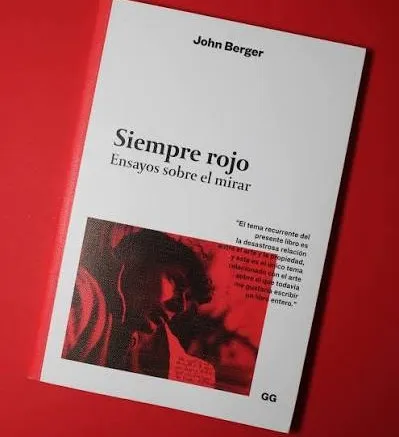
In this first session, we will be reading Always Red: Essays on Looking by John Berger.
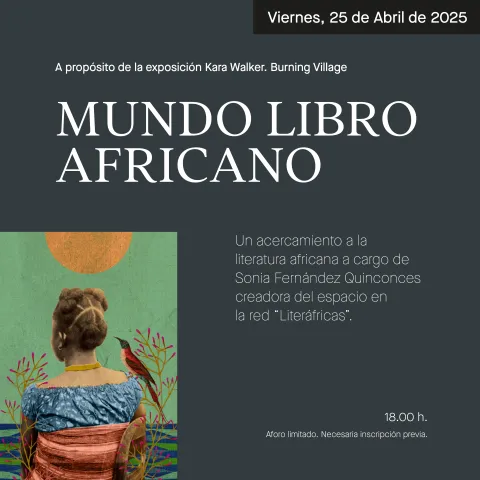
We are starting a new book club: African Book World, through Sonia Fernández Quinconces; a graduate in Law (UPV-EHU) and specialist in Human Rights in a global world from the same University.
Sonia Fernández collaborates with various media outlets as a columnist for the newspaper El País, and with initiatives always related to African literatures and the African Letters award granted by the Blue Bird Foundation. Her space on the web, "Literáfricas," which she calls "Simply Literature," revolves around these letters and their universe. Literáfrica is a project led by Sonia Fernández Quinconces and created to promote African Literature and Orality.
The history of women's presence in African literatures has been a story of strength, resistance and, above all, of great talent. They had to face multiple obstacles and fight against prejudices and undervaluation. Sidelined, set aside and cornered, their voices, despite all this, managed to be heard. And they grew in number, filling spaces that were previously empty, writing about issues that directly concerned them, as women, as Africans.
The representation of African women has been woven from false or distorted images. Many, incomplete. For this reason it was so necessary that women recover the word that, since ancestral times, has belonged to them. And write. In doing so they have returned to us countless visions, helping us understand multiple situations and inviting us to accompany them through their thoughts and experiences both intimate and collective.
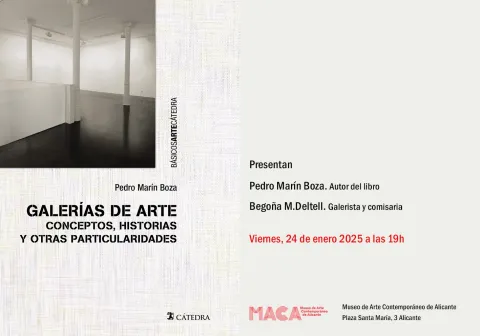
Presentation of the book by Pedro Marín Boza Presented by: Begoña M. Deltell
Art galleries are essential for understanding contemporary art and the development of its most innovative artistic trends. They are the precursors of what will later appear in museums and institutions and are creators of cultural content. However, most texts that reflect on them do so from the perspective of the art market. What is an art gallery? How do they work? Why are they important? What are gallery spaces like? What has been their historical evolution? What moment are they in? What will their future be? The book addresses these questions by tracing the history of art galleries, from conceptual and practical issues to reflections on the expectations and challenges of the future, while defining the moment and the conditions in which they emerged and their fascinating evolution.
Presentation of the book by José María Torres Nadal.
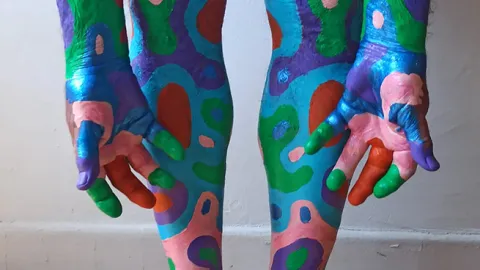
In the Library, a first exhibition "the intervened body" will be displayed, which the book makes special reference to, and a second exhibition at the headquarters of Cuarta Piel, on Jacinto Street of objects "the intervened books".
Along the route that runs between one location and the other, an intervention will be carried out that will consist of pasting pages from the book WORDS OF TIME AND CLIMATE edited by Bartlebooth on the walls of the street, in the manner of small posters. This book is a compendium of 26 concepts related to the worlds that concern climate change.
Presentation of the book by José María Torres Nadal.
In the Library, a first exhibition "the intervened body" will be displayed, which the book makes special reference to, and a second exhibition at the headquarters of Cuarta Piel, on Jacinto Street of objects "the intervened books".
Along the route that runs between one location and the other, an intervention will be carried out that will consist of pasting pages from the book WORDS OF TIME AND CLIMATE edited by Bartlebooth on the walls of the street, in the manner of small posters. This book is a compendium of 26 concepts related to the worlds that concern climate change.
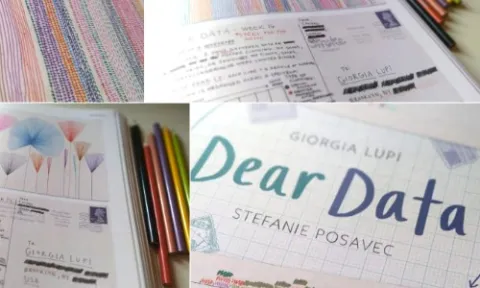
For an entire year and once a week, Giorgia Lupi and Stefanie Posavec sent each other postcards reflecting data from their personal lives. Things like: "what music you like, how much time you spend alone and accompanied or what sounds surround you", became beautiful drawings made from their personal data.
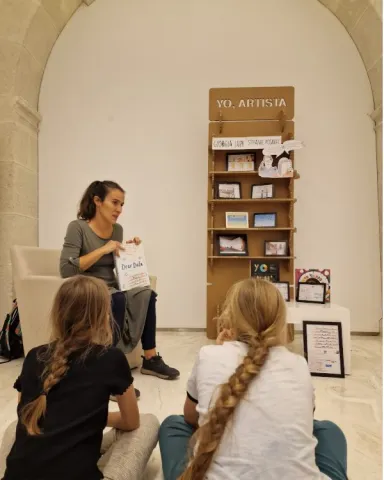
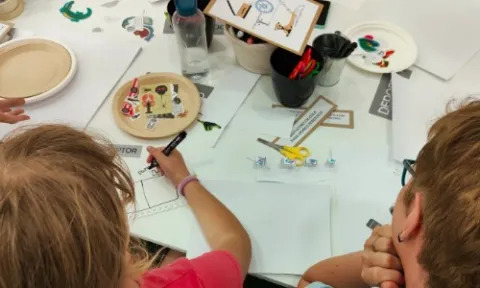
All these postcards are collected in the book "Dear data" where we also find the guidelines and ideas that the two artists discovered during the experiment. In this "I, Artist" workshop we will learn about this project by Giorgia Lupi and Stefanie Posavec, through the "visual diary" format, experiencing artistic expression through personal data.
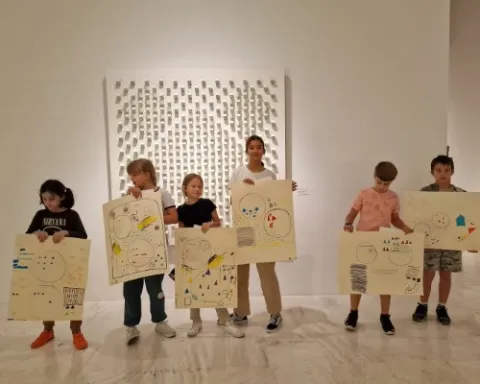
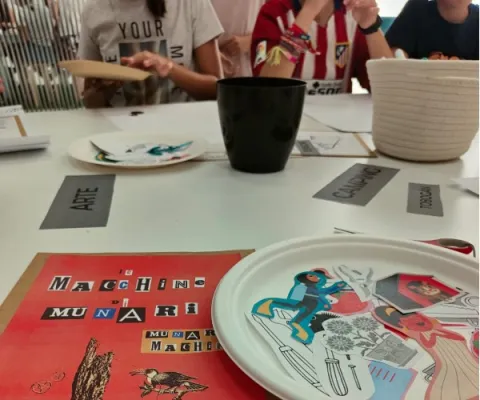
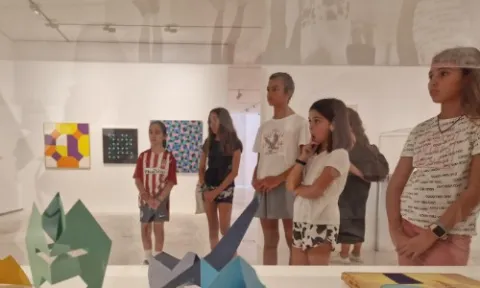
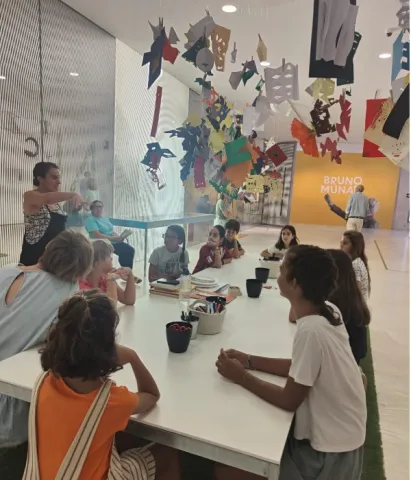
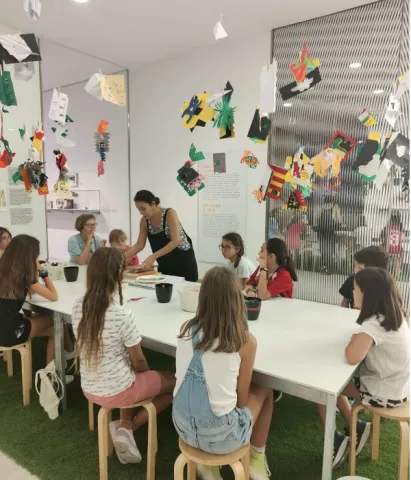
We resume the YO, ARTISTA activity with this session around Bruno Munari's exhibition, a total and multifaceted artist. During the workshop we will put into practice the creative games that Munari collected in his book titled "Fantasy", to find out where ideas come from, how creativity works and how we can train our imagination.
"Fantasy, invention and creativity think, imagination sees". (Munari)
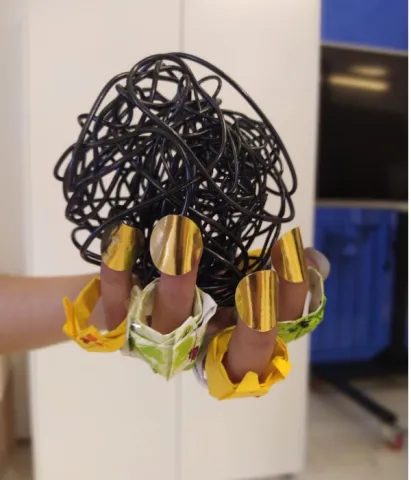
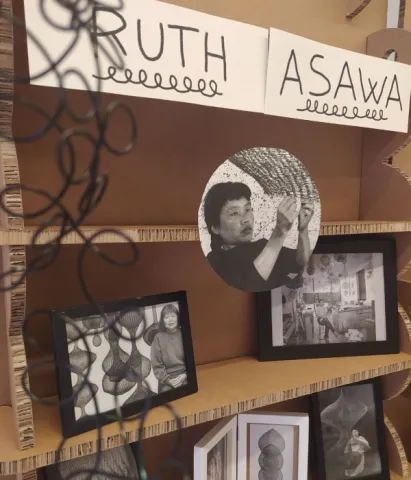
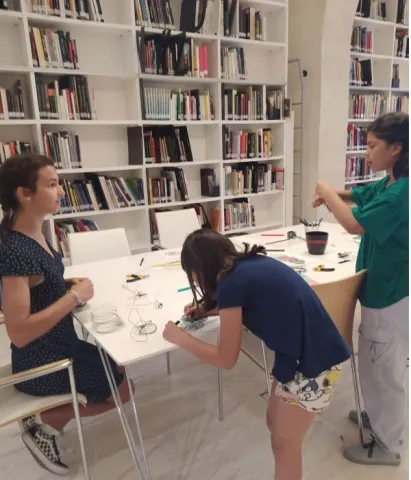
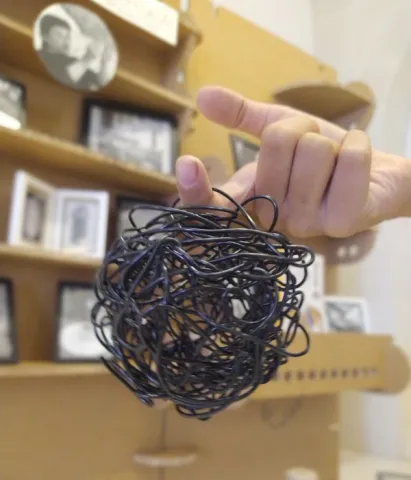
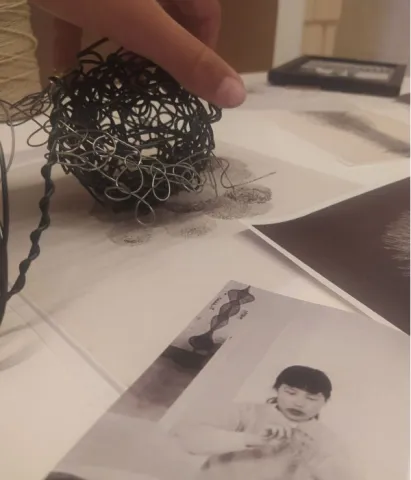
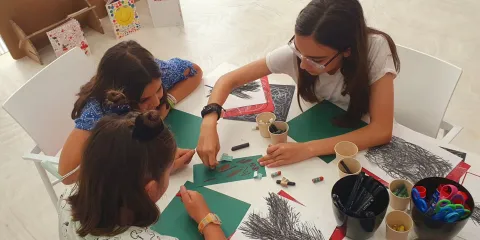
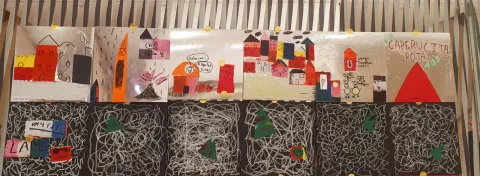
In the workshop we will explore Asawa's sculptures, the wire weaving technique, drawing in the air, expanded drawing and the observation of nature as a source of inspiration.
Ruth Asawa (1926 -2013) was an American sculptor of Japanese origin and a devoted activist who tirelessly advocated for art education. Recognized worldwide for her biomorphic hanging sculptures, woven with steel cable, Asawa found in this artisanal technique what she was looking for: expanded drawing produced with three-dimensional materials. Another part of her sculptural work is inspired by the tradition of Japanese origami and paper work, and she also has works of a more linear character, more inspired by her drawings and with tree-like forms.
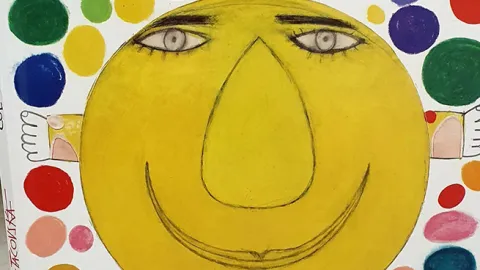
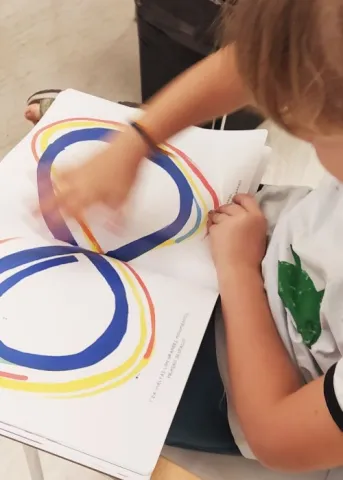
Květa Pacovská (Prague, July 28, 1928) is a Czech painter, sculptor, and illustrator. She studied and graduated in Applied Arts. She was a professor in Berlin, and as she herself has said, she began her career in illustration by trying to share an activity with her children, in an attempt to share something creative.
Although she is distinguished as an illustrator, after the 1990s Květa has also developed a career in sculpture and painting with numerous exhibitions in Germany, France, the Netherlands, Belgium, and Japan, with shows at the Pompidou Center in Paris and at the Museum of Applied Arts in Frankfurt, among others. Both in her pictorial work and in her children's illustrations, one can see the influences of constructivism and the play and color that evoke Paul Klee and Vasily Kandinsky. Hers is a very sensitive constructivism, and in her designs the influence of the Bauhaus School is evident. Coordination: Va de cuentos and María Maraña
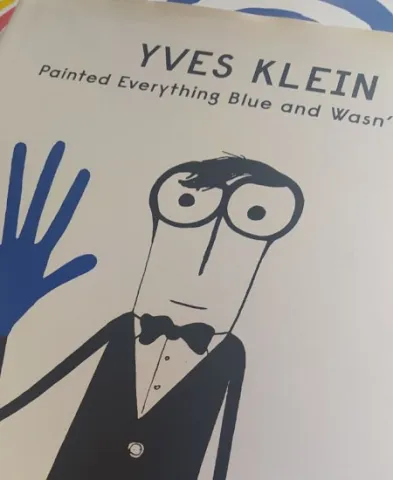
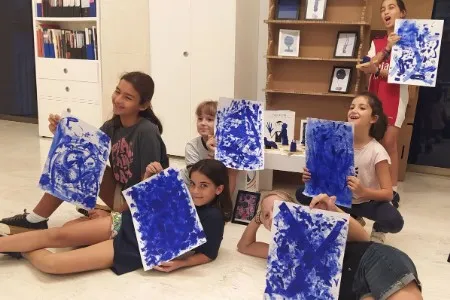
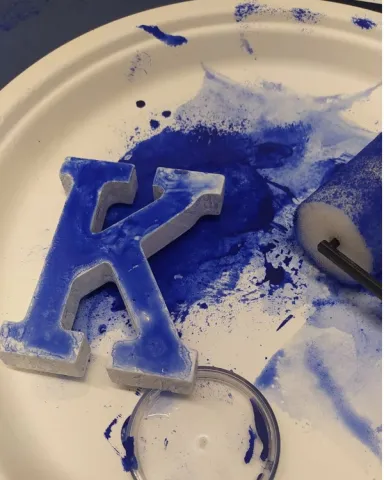
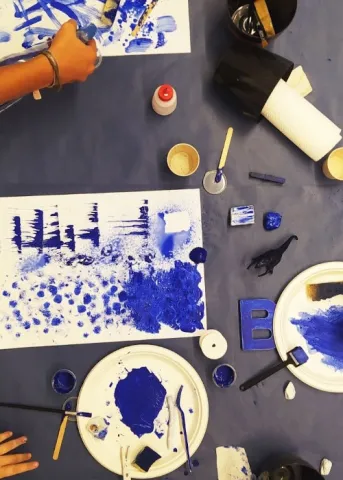
Yves Klein always thought about how to surprise his audience, and one day he hit the mark, he would paint everything in a special, unique blue. The rest is history. Here, as in his previous books, Fausto Gilberti tells us his vital and artistic journey with humor and intelligence.
On March 9, 1960, Yves Klein performed his performance, Anthropometries of the Blue Period at the Galerie Internationale d'Art Contemporain in Paris. The work consisted of the creation of two large-format anthropomorphic paintings conducted by Klein. His production consisted of the application of paint made with the IKB pigment, a dark navy blue manufactured and patented by the artist, on the torso and thighs of the bodies of naked women, who once covered in paint, pressed their bodies against large sheets of white paper. The result was a monochromatic and abstract impression of those female bodies in real scale.