Press Enter to search or ESC to close
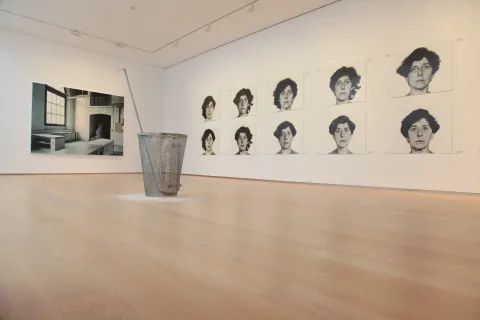
It is not that fiction and reality are opposing terms, but rather that fiction is a mode, an instrument for articulating a certain model of the real, reflects Joan Fontcuberta.
Fiction that Fontcuberta proposes confronted with the reality that García Alix constructs. Memory and ambiguity that are present in the work of these two artists so disparate, so opposed in their way of understanding photography that they seem to reach the same levels of truthfulness and falsehood. A documentary value that is granted to the images that make up this small collection emerged from the night.
Black and white photography is a classical technique but so difficult that it is only discovered through great photographers. It is no wonder they were awarded the National Photography Prize in 1998 and 1999.
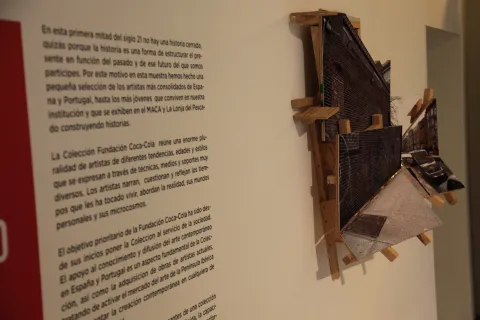
In this first half of the 21st century there is no closed history, perhaps because history is a way of structuring the present based on the past and that future of which we are participants. For this reason, in this exhibition we have made a small selection of the most established artists from Spain and Portugal, to the youngest who coexist in our institution and who are exhibited in this exhibition.
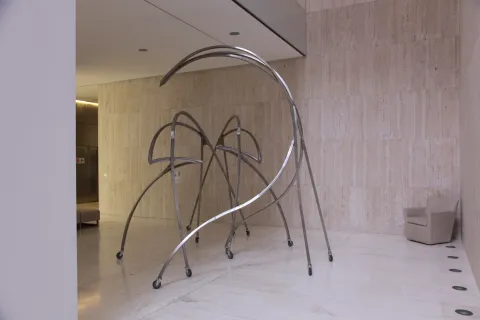
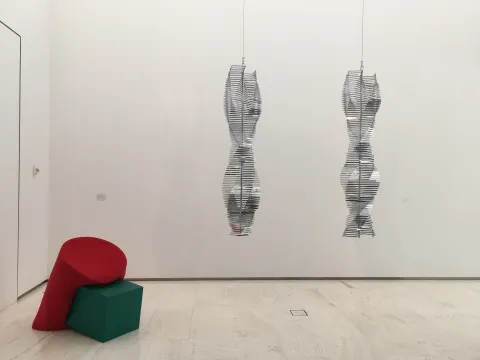
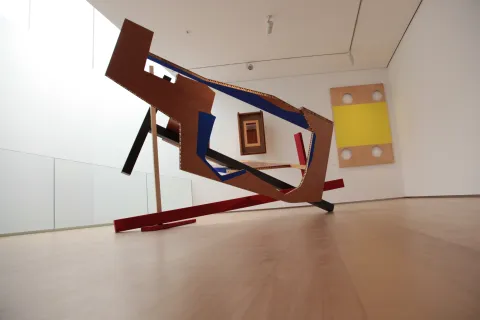
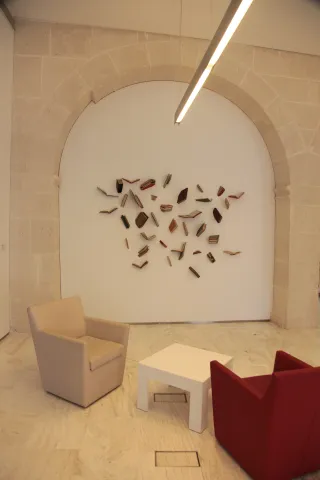
The Coca-Cola Foundation Collection brings together an enormous plurality of artists of different tendencies, ages and styles who express themselves through very diverse techniques, media and technological supports. The artists narrate, question and reflect the times they have lived through, they address reality, their personal worlds and their microcosms. This Collection is an example of the diversity of creation in Spain and Portugal and was established from its beginnings as an open project that proposed a constant dialogue with the art of our time and assumed through its acquisitions the continuous expansion of contemporary creation.
In this exhibition we wanted to offer a variety of languages that coexist in this Collection and is only surpassed by the quality and projection of the artists that make it up and who are accomplices in our way of understanding art. Through their works they generate an enriching dialogue with the viewer and invite us to reflect. It is the challenge of a creative restlessness that opens new possibilities for us when it comes to drawing a portrait of the future, and therein lies its complicity, in those stories that they are capable of building.
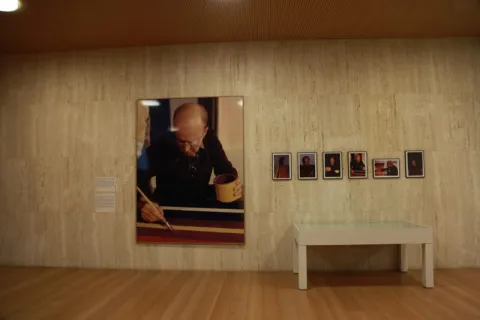
Luis Pérez Mínguez, photographer and friend of Eusebio Sempere who captured an era and with whom the museum has maintained a close relationship. As a result of this are these photographs of Sempere in the Trazos program in 1977, which reached us in a very personal envelope from Luis Pérez Mínguez.
Spanish Television began broadcasting in April 1977 the program Trazos where Paloma Chamorro served as deputy director with Ramón G. Redondo, to later take over the direction of it, until June 1978 when the program's broadcast ended. It was a program of artistic current events. Trazos began broadcasting in black and white because its directors considered that this way the color of the paintings would not be distorted. However, by mandate of the state and public network's management, the program began to be broadcast in color starting in November 1977, which required the creation of a set design. For this, and very ingeniously, Paloma Chamorro invited eleven painters, each of whom created a panel of approximately 250 x 180 centimeters. José Manuel Broto, Gerardo Delgado, Carlos Franco, Luis Gordillo, José Guerrero, Guillermo Pérez Villalta, Manolo Quejido, Gerardo Rueda, Eusebio Sempere, Gonzalo Tena and Jorge Teixidor painted live under the watchful camera of the photographer of an entire era.