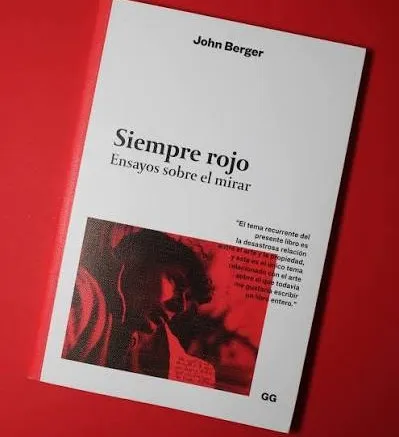
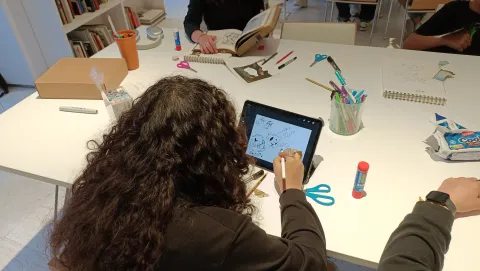
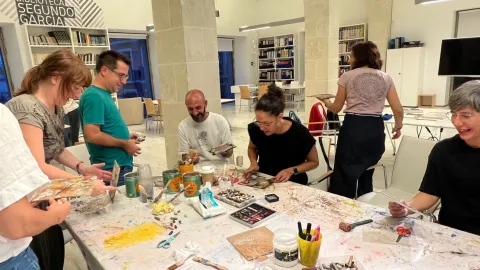
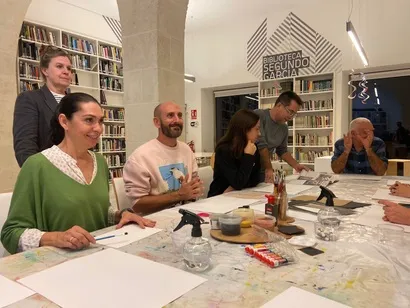
An art-focused book club led by Andrea Barcia, a cultural communicator. Conceived as an accessible alternative to the dense, encyclopedic academic essays typical of the field. The program brings together books that explore the art world from diverse perspectives—painting, sculpture, architecture, contemporary art, and other related disciplines—with an accessible, interdisciplinary approach that avoids the technical jargon that often alienates the general public from this subject matter.
In this first session, we will be reading Always Red: Essays on Looking by John Berger.
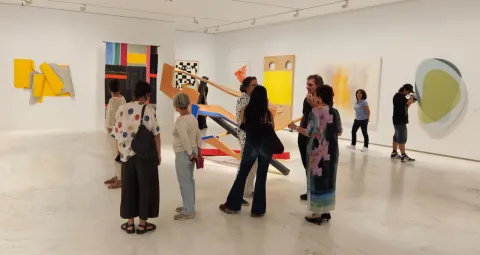
In the month of August, we invite you to join the following visits: Take a breather... in full color. On Thursdays from 12:00 to 1:30 p.m. and from 6:00 to 7:30 p.m., we will offer a guided tour of the temporary exhibition.
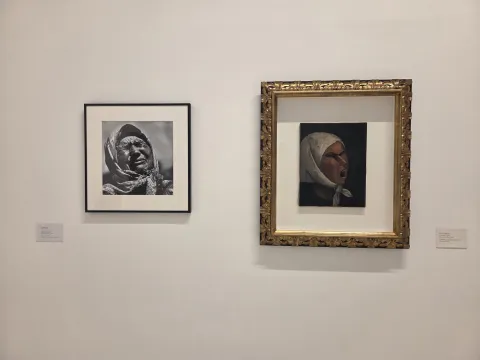
The United Nations General Assembly, through Resolution 78/282, adopted on 23 May 2024, declared 11 July as the International Day of Remembrance of the Srebrenica Genocide, emphasising the importance of remembrance and education as tools for raising awareness, combating the denial of this tragedy and preventing crimes of this nature from ever happening again. Around this date, the Museum of Contemporary Art Ars Aevi in Sarajevo is inviting museums around the world to take part in this commemoration by exhibiting the photograph “Mother of Srebrenica”, taken in 2001 by the artist Almin Zrno. It is an image of great symbolic power, encapsulating silence, grief and dignity; a work that invites introspection and compassion, and bears witness to horrors that defy description, becoming a symbol of pain.
The display of this photograph alongside the oil painting “Montserrat criant n.º 2” by the artist Julio González, painted between 1936 and 1940, reveals a striking affinity between the two compositions. Through the figure of a Catalan peasant woman, whom he named Montserrat, Julio González depicts the suffering of the civilian population during the Spanish Civil War.
The two images share the same expressive power: almost the same woman, a universal mother, with a scarf tied beneath her chin; her mouth open or closed in a muffled cry; her eyes closed; her face furrowed by deep wrinkles that bear witness to extreme pain. The cry cannot be heard, but it is clearly sensed. Both works were conceived within the same context of war, several decades apart, granting art not only the potential for aesthetic enjoyment, but also the capacity to serve as a testimony and an act of resistance against oblivion.
Imagen
Related artwork
Montserrat crying no. 2
Montserrat criant no. 2 arrived at the collection as a gift from Roberta González, daughter of the artist, to Eusebio Sempere, as proof of the great friendship that united them. Sempere himself recalled it this way in 1976: "Roberta González gave ...
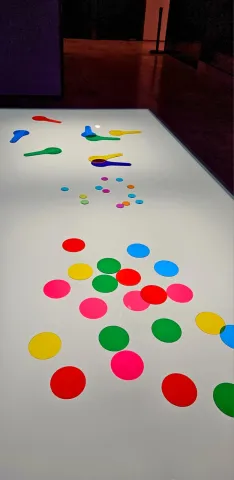
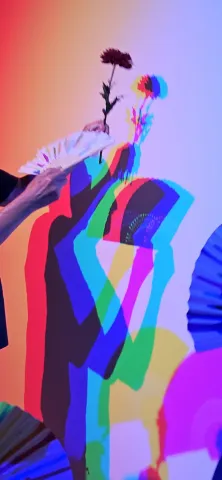
Color is articulated through two fundamental mixing systems: subtractive and additive. Although both are based on the combination of primary colors, their logics are opposite.The subtractive system – typical of pigments and material surfaces – absorbs light until it approaches black; The additive—based on light projection—adds light to produce white. Chromatic threshold proposes a didactic journey between both systems through two connected installations that turn the perception of colour into a direct, physical and participatory experience.
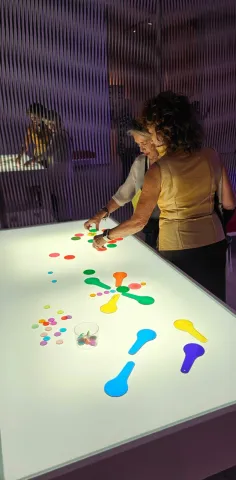
The first installation explores the subtractive system using an interactive light table. On it, visitors can superimpose translucent circles of different diameters and observe how the accumulation of colour progressively alters the light, creating increasingly dense and dark mixtures. The piece transforms an optical principle into an intuitive, hands-on experience.
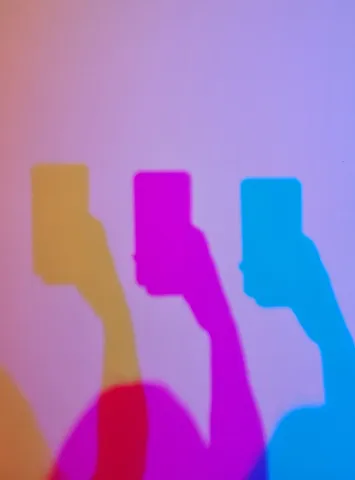
The second installation explores the additive system through a projection comprising three primary-coloured light sources. As the visitor’s body passes through the light, their shadow is fragmented into distinct chromatic layers, revealing how each light source contributes to the construction of the image. The installation transforms the space into a field of experimentation where light, colour and movement interact in real time.
The exhibition has been extended until January 10, 2027.
Colour does not exist, but the world is unimaginable without it. As a phenomenon —in every sense— it has existed in thought and in the arts from rock art to contemporary digital experiments. For many artists it has been at the centre of their practice, while for philosophers and scientists it has provided plenty of material for reflection and debate.
In art history, the importance of colour has often been discussed and challenged. It was the emergence of abstract art in the early 20th century that freed colour from the dictates of representation and the primacy of line. For the first time, colour could exist on its own in artwork, without being subjected to narrative models or other elements of graphic value: it ceased to be an adjective and it became a noun.
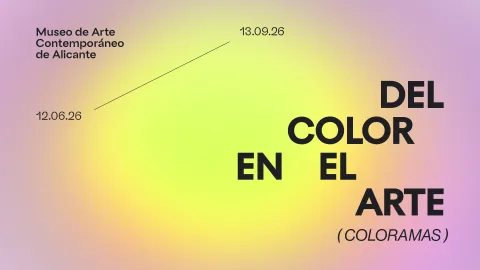
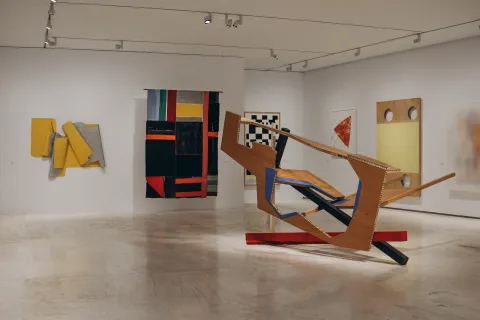
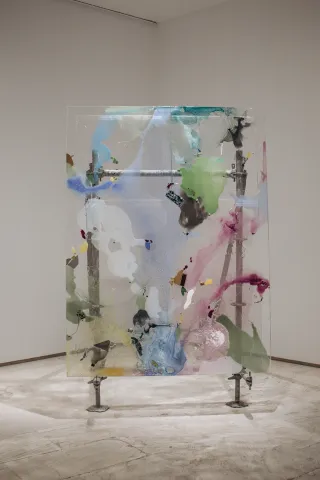
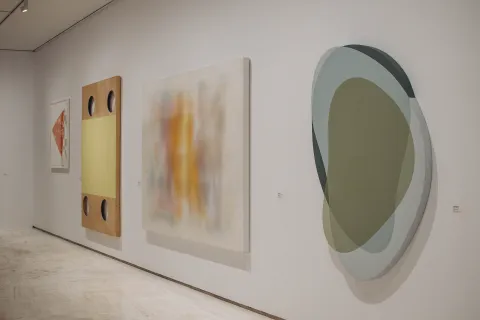
On Colour in Art (Coloramas) presents the work of a group of contemporary artists for whom colour is the essential principle of composition. All the artwork belongs to the collections of MACA. Museum of Contemporary Art of Alicante and they span 75 years, from the mid-1950s to 2025. The selection of artists, styles, techniques and materials conveys both the complexity of contemporary languages and the richness and variety of the museum’s collections.
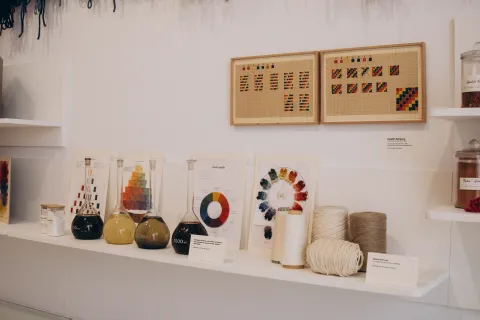
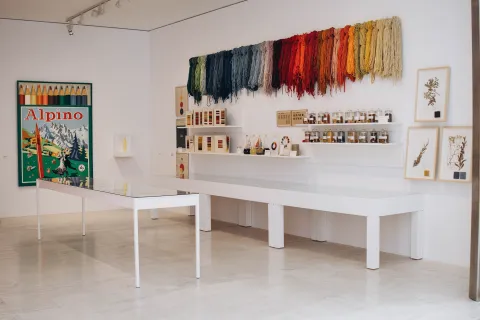
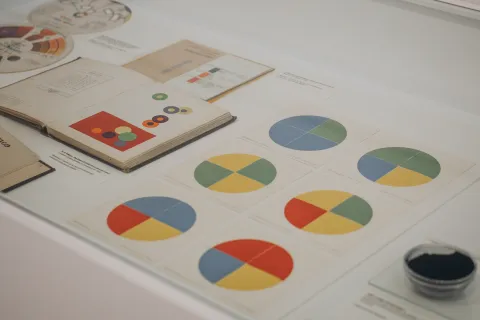
Together with the artwork, the exhibition has two distinctive spaces. In the first, before going into the gallery, there is a small cabinet of curiosities where visitors can discover the origins of colour through minerals, dye plants, pigments, natural dyes and their uses in textiles. These are accompanied by samples of synthetic and industrial pigments, evidence of inventions —such as the patent for colour in tubes—, and documents that point to the ideological, political and social impregnation of colour.
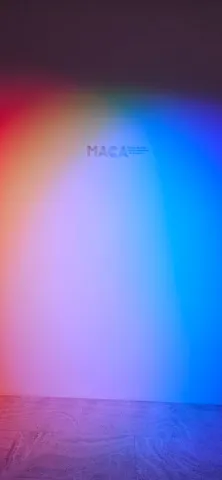
Behind the white gallery and visually separated from it, is Coloramas. An expansive experience in a space that recalls early dioramas, camera obscuras and zoetropes, where an audiovisual tale tells the fascinating story of colour and its progression, first gradual and later disruptive, towards autonomy. Coloramas unfolds through scenes that explore colour as a physical phenomenon, a perceptual construction and a symbolic language.
This exhibition has its origins in Lo tienes que ver. La autonomía del color en el arte abstracto [You Have to See It. The Autonomy of Colour in Abstract Art], held at the Fundación Juan March in Madrid in 2025 and it is the result of the collaboration and support between institutions.
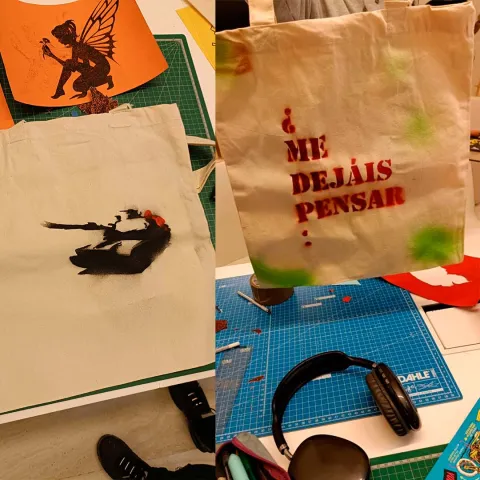
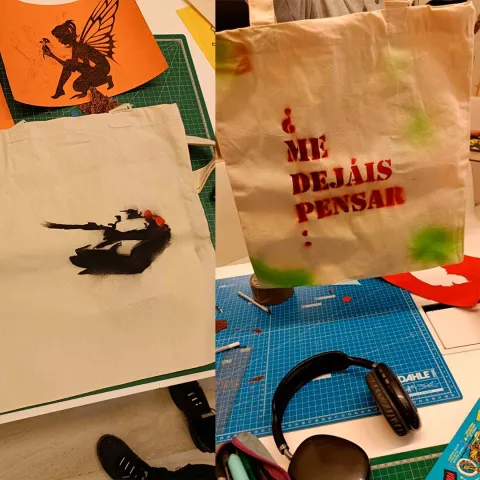
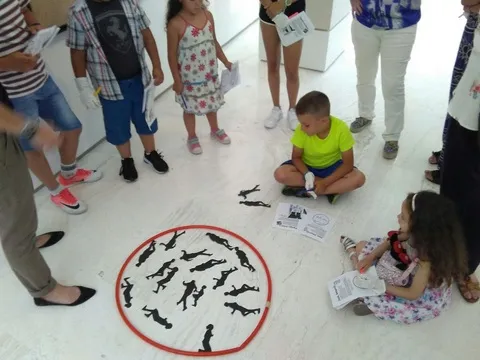
MACA is a living and dynamic museum, which is why the educational team has offered complementary activities since its inception to showcase the creative processes and references of contemporary art. Each year the museum renews its proposals for the different levels of formal education. These are projects related to the permanent collections and temporary exhibitions. The ultimate goal of the different proposals is to promote the construction of a critical perspective, learn to observe the works, enjoy the information that can be useful for understanding and appreciating each piece, and have the necessary keys so that each student can face contemporary art without inhibitions.
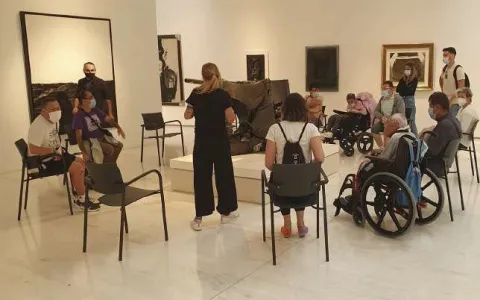
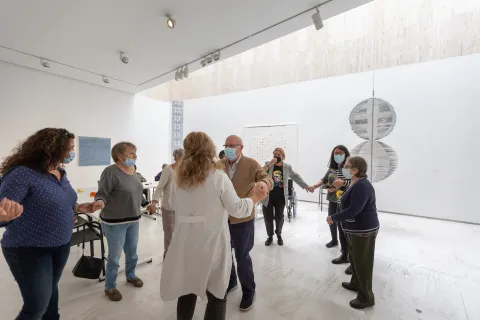
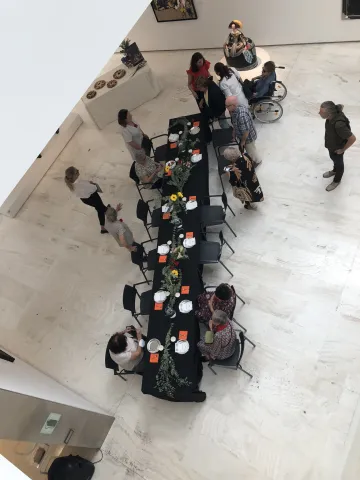
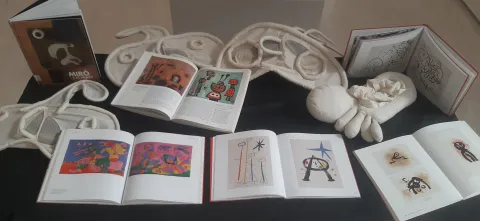
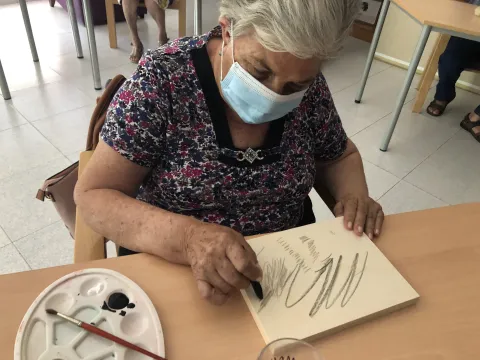
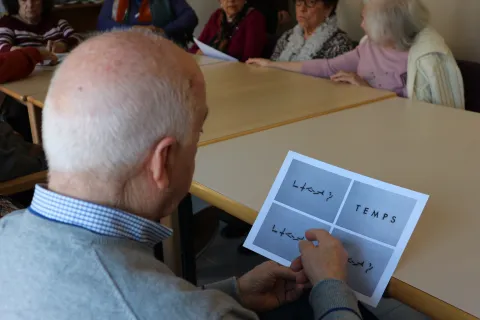
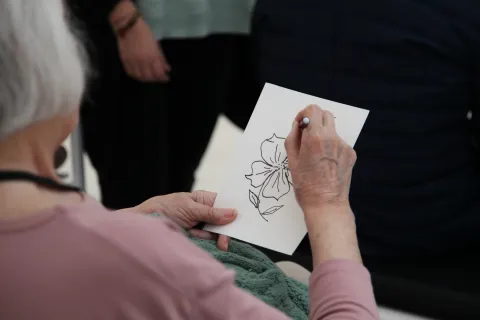
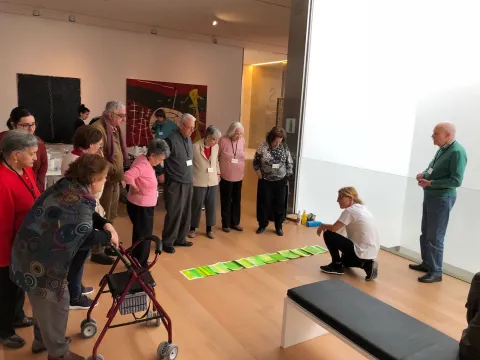
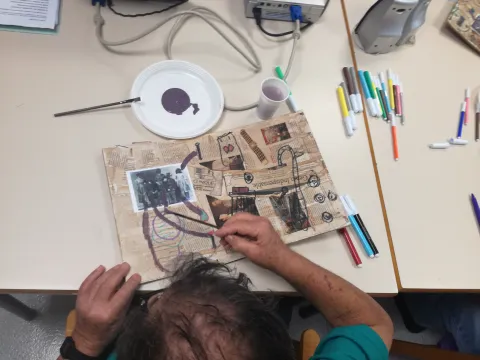
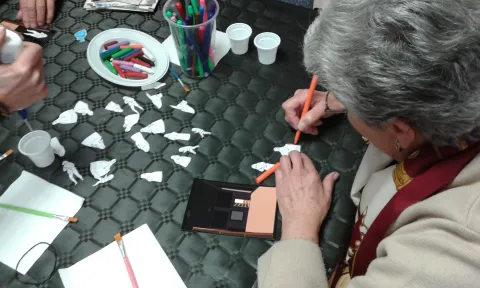
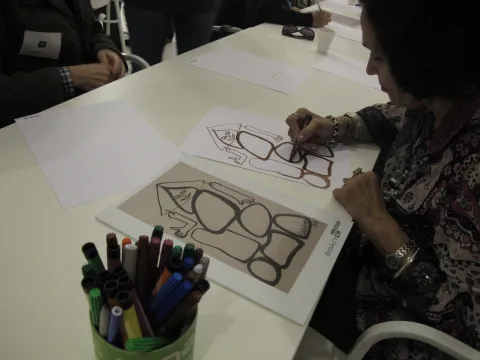
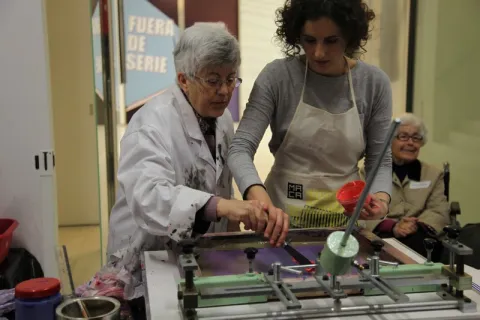
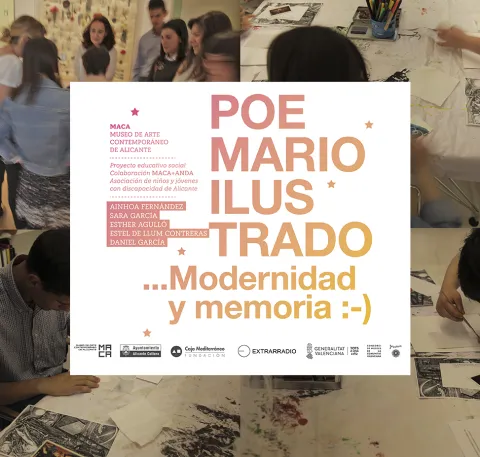
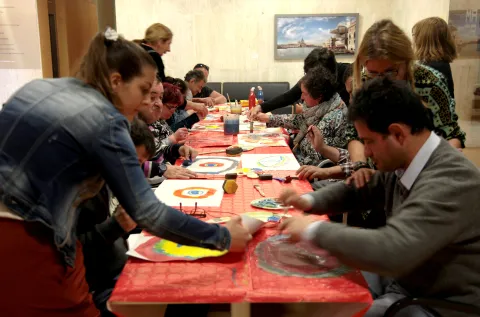
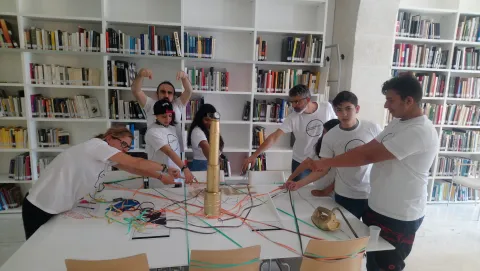
Since its opening, the museum's educational team has committed to inclusive education. Throughout the year, multiple projects are developed for attention to diversity and social awareness, whose purpose has been and is to promote effective integration and real accessibility for all to art, culture, and the museum. To this end, the museum regularly organizes programs, projects, guided visits, and workshops for groups with physical, psychological, sensory, intellectual, or mental functional diversity, as well as for groups in situations of social vulnerability.
We are fully convinced that attention to all audiences should be a priority, and in that way we plan and organize educational activities in order to serve all people.
All projects are developed and directed by museum educator and mediator Ester García Guixot.
A creative laboratory where we reflect on how artistic practices can influence learning and collaborate with teachers to design and implement innovative materials and activities
that connect the classroom with the museum.
To showcase contemporary art as a source of knowledge and creativity to develop didactic proposals and share pedagogical strategies.
To link the museum with curricula, promoting transversality when approaching knowledge.
We propose different tours through the MACA's permanent collections aimed at the school community from their first steps in Early Childhood Education through the end of the cycle in Secondary Education or High School.
Each tour is tailored to current educational needs, adapting them to the MACA's permanent collections and establishing deep connections between artists, movements and trends, contributing to the cultural enrichment of the community. All tours are accompanied by an activity that complements what has been seen during the visit.
Educational projects designed to extend the MACA beyond its physical space, bringing artworks and artistic knowledge directly to schools. These traveling projects promote different learning processes.
We work with teachers, artists and creative collectives to ensure that each project aligns with the objectives and specific needs of each school community, guaranteeing relevant, accessible and enriching activities.
How to participate?
The projects can be developed with a class group, a grade level, a cycle or as a school-wide project.
EDUC-0013
Imagen
Desactivado
School period
Projects can be developed with a class group, a level, a cycle, or as a school-wide project.